


 Call Us

Why Does My Circuit Breaker Keep Tripping?
A circuit breaker usually keeps tripping because the circuit is overloaded, there is a faulty appliance, a short circuit or another electrical fault that needs investigation.
A circuit breaker is designed to switch the circuit off when electrical current rises beyond a safe level. If it trips once, there may be a temporary cause.
If the same circuit breaker keeps tripping, trips immediately after being reset or will not stay on, don’t keep resetting it and hoping the problem disappears. Repeated tripping is a sign that the cause should be identified.
MPV Group provides electrical fault finding in Sydney to diagnose tripping circuits, switchboard faults, faulty appliances and other electrical problems.
Circuit Breaker vs Safety Switch: What’s the Difference?
They are related, but they do different jobs. A circuit breaker is primarily designed to protect electrical wiring and circuits from excessive current caused by overloads and short circuits.
A safety switch or RCD monitors for electrical leakage and is designed to help protect people from electric shock.
Modern switchboards may also contain RCBOs, which combine both functions.
If you’re not sure which device is turning off, our guide to why a safety switch keeps tripping explains the difference in more detail.
1. The Circuit May Be Overloaded
An overloaded circuit is one of the most common reasons a circuit breaker trips.
This happens when too many electrical appliances or high-demand devices are operating on the same circuit at once.
For example, a circuit may struggle when several heaters, kitchen appliances or other high-power devices are used simultaneously.
If the breaker tends to trip only when particular appliances are running together, circuit overload may be involved.
Repeated overloads should be investigated rather than solved with more power boards or extension leads.
2. A Faulty Appliance May Be Causing the Breaker to Trip
If the circuit breaker trips when a particular appliance is switched on, the appliance may have an electrical fault.
Common examples can include heaters, ovens, kettles, washing machines, dryers, dishwashers, air conditioners and other higher-demand equipment.
If one appliance consistently causes the breaker to trip, stop using it until the fault has been identified.
The problem may be with the appliance itself, the outlet, the circuit or the electrical connection supplying it.
3. There May Be a Short Circuit
A short circuit can cause a circuit breaker to trip quickly or immediately.
It occurs when electrical current travels along an unintended low-resistance path, potentially creating a very high current.
Unlike a simple overload, a short circuit may involve damaged wiring, faulty equipment or an electrical connection problem.
If the breaker trips immediately every time you reset it, leave the affected circuit off and arrange professional electrical fault finding.
Do not open power points, switches or switchboard covers yourself.
4. Wiring or Electrical Connections May Be Damaged
Damaged or ageing wiring can also contribute to repeated circuit breaker tripping.
Electrical faults may develop because of ageing cables, renovations, accidental damage, poor previous electrical work or deterioration over time.
The fault may also be intermittent.
You might find the breaker trips only when an appliance runs, during certain weather conditions or at a particular time of day.
That does not make the problem harmless. Intermittent faults still need to be identified.
5. Your Home May Have Outgrown the Circuit
Sydney homes use considerably more electrical equipment than many older electrical systems were originally designed to support.
Air conditioning, induction cooking, electric hot water, pool equipment, EV chargers and modern appliances can all increase electrical demand.
If your circuit breakers regularly trip when several loads operate at once, the home may need additional circuits or electrical capacity rather than repeated resets.
MPV Group’s residential electrical upgrades in Sydney can help improve circuit capacity where the existing electrical system is no longer suitable for the property’s requirements.
Why Does My Breaker Trip When I Turn an Appliance On?
If a breaker trips as soon as an appliance starts, the appliance, circuit or electrical connection may be drawing excessive current or have a fault.
Pay attention to whether the problem occurs with:
one specific appliance or several appliances operating together.
One appliance triggering the breaker repeatedly may point towards an appliance fault.
Several high-demand appliances causing the breaker to trip together may suggest an overloaded circuit.
A licensed electrician can test the circuit and determine the actual cause rather than relying on guesswork.
Why Does My Circuit Breaker Trip at Night?
A breaker that trips mainly at night may be connected to equipment that operates automatically or is used more heavily in the evening. This might include hot water systems, air conditioning, heating, outdoor equipment, pool equipment, appliances on timers or EV charging.
The timing itself can be useful information for fault finding. If you notice a pattern, tell the electrician what was operating and roughly when the breaker tripped.
Why Does My Circuit Breaker Trip When It Rains?
A circuit that trips during or after rain may indicate moisture affecting outdoor electrical equipment or wiring. Outdoor power points, garden lighting, garages, pool equipment, pumps and weather-exposed fittings can all be affected by water ingress.
Water and electricity are a serious combination. If tripping appears connected to wet weather, leave the affected circuit off and have it checked rather than waiting for it to dry and assuming the problem has disappeared.
What Should You Do if a Circuit Breaker Trips?
If a breaker trips, there are a few basic observations you can safely make without opening electrical equipment. First, note which breaker has tripped and what appliances or equipment were operating at the time.
If it is safe to do so, switch off or unplug obvious appliances on the affected circuit and try resetting the breaker once. If it trips again, trips immediately or will not stay on, leave the circuit off and contact a licensed electrician.
Do not repeatedly reset the breaker, remove the switchboard cover or attempt to repair wiring yourself.
Can You Keep Resetting a Circuit Breaker?
No. If a circuit breaker repeatedly trips, don’t keep resetting it without finding the cause. A breaker trips because the electrical system has detected conditions outside what the circuit is designed to handle.
Repeated resets do not repair an overload, damaged wiring, faulty appliance or short circuit. If the breaker will not remain on, professional testing is the next step.
Why Won’t My Circuit Breaker Reset?
A circuit breaker that won’t reset may still be detecting an active fault or may itself require assessment. The issue could involve an appliance, short circuit, damaged wiring, circuit overload or switchboard equipment.
Do not hold the breaker in the ON position or repeatedly force it to reset. Leave the affected circuit off and arrange for a licensed electrician to investigate.
Does a Tripping Circuit Breaker Mean I Need a New Switchboard?
Not necessarily. A circuit breaker can trip because of a problem on one circuit even when the rest of the switchboard is suitable.
However, a switchboard upgrade may be worth considering if the existing board is old, overcrowded, damaged or no longer suitable for the home’s electrical demand.
The correct approach is to diagnose the fault first.
Don’t replace an entire switchboard simply because one circuit has tripped without determining why.
Can a Circuit Breaker Wear Out?
Yes, circuit breakers can develop faults or deteriorate over time, but the breaker itself should not automatically be blamed for repeated tripping. Often, the device is correctly responding to a fault elsewhere on the circuit.
An electrician can test the breaker and circuit to determine whether the protective device requires replacement or whether another electrical issue is causing the tripping.
If your switchboard also contains ageing RCDs or safety switches, see MPV Group’s guide to RCD replacement in Sydney.
What if the Circuit Breaker Trips and My Lights Flicker?
Repeated circuit breaker tripping combined with flickering or dimming lights can point to a broader electrical issue. Possible causes range from overloaded circuits to poor electrical connections or switchboard faults. If you’ve noticed both symptoms, read our guide to why lights flicker in Sydney homes and arrange fault finding if the problem continues.
When Is a Tripping Circuit Breaker an Emergency?
A breaker that trips repeatedly deserves attention, but some warning signs require more urgent action. Treat the problem seriously if tripping occurs with:
Burning smells | Smoke | Visible sparking | Crackling or buzzing | A hot switchboard or power point | Electric shocks | Water near electrical equipment
Do not keep testing the circuit. If there is an immediate fire or life-safety risk, move to safety and contact emergency services. For urgent electrical faults, MPV Group provides emergency electrical services in Sydney.
What Will an Electrician Check?
Professional fault finding is about identifying why the breaker trips, rather than simply resetting it. Depending on the problem, an electrician may test the affected circuit, switchboard protection, appliances, power points, lighting, wiring and connections.
The findings will determine whether the issue requires a simple repair, a circuit modification, switchboard work or a broader electrical upgrade.
MPV Group provides residential electrical services across Sydney for electrical repairs, fault finding, switchboards and home electrical upgrades.
Power Keeps Tripping? Find the Cause.
A circuit breaker that keeps tripping is doing more than interrupting your power. It is telling you that something on the circuit needs attention.
The cause may be: Overload → Faulty appliance → Short circuit → Wiring fault → Switchboard issue
Rather than repeatedly resetting the breaker, have the problem properly diagnosed. MPV Group provides electrical fault finding in Sydney for homes, apartments and strata properties. Circuit breaker keeps tripping? Contact MPV Group to find the fault and get your power operating reliably again.
1 Company – 3 Integrated Services
Complete Electrical, Solar and Security Solutions Across Sydney

Electrical
Licensed electrical services across Sydney, including upgrades, fault finding, switchboards, lighting, maintenance and complete electrical solutions.

Solar
Reliable solar and battery systems designed to reduce energy costs, improve efficiency and support smarter long-term energy use.
Security
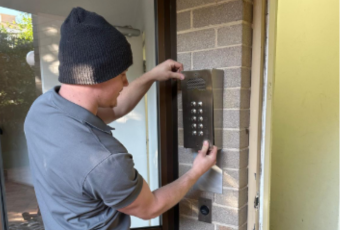
Integrated security solutions, including CCTV, alarms, access control and intercom systems to help protect people, property and assets.
Circuit Breaker Keeps Tripping FAQs
These FAQs answer common questions about tripping circuit breakers, overloaded circuits, appliance faults and when Sydney homeowners should call a licensed electrician.
Why does my circuit breaker keep tripping?
A circuit breaker may keep tripping because the circuit is overloaded, an appliance is faulty, there is a short circuit, wiring is damaged or another electrical fault is present.
What is the most common cause of a circuit breaker tripping?
Circuit overloads and faulty appliances are common causes, but repeated tripping should be properly diagnosed because short circuits, wiring faults and switchboard problems can produce similar symptoms.
Why does my breaker trip as soon as I reset it?
A breaker that trips immediately may be detecting an active fault such as a short circuit or other serious circuit problem. Leave the circuit off and have it tested by a licensed electrician.
Why does my breaker trip when I turn on an appliance?
The appliance may be faulty, drawing too much current or operating on an already heavily loaded circuit. Stop using the appliance if it repeatedly causes the breaker to trip.
Why does my circuit breaker trip when several appliances are running?
The circuit may be overloaded. This happens when the combined electrical demand exceeds what the circuit is designed to handle.
Can an overloaded power point trip a circuit breaker?
Yes. Excessive demand on a circuit can cause the circuit breaker to trip. Avoid adding more power boards or extension leads to try to work around the problem.
Why does my circuit breaker keep tripping at night?
A breaker may trip at night because equipment such as air conditioning, hot water, pool pumps, outdoor lighting, EV chargers or timed appliances are operating.
Why does my circuit breaker trip after rain?
Moisture affecting outdoor wiring, power points, lighting or electrical equipment may cause a circuit to trip. Leave the affected circuit off and have the issue checked.
Can a faulty circuit breaker cause repeated tripping?
Yes, a circuit breaker itself can sometimes become faulty. However, the circuit and connected equipment should be tested before assuming the breaker needs replacement.
Why won’t my circuit breaker stay on?
The breaker may still be detecting an overload, short circuit or other active electrical fault. Do not repeatedly force it on.
Is it safe to keep resetting a circuit breaker?
No. If a circuit breaker continues to trip, resetting it repeatedly without identifying the cause is not recommended.
Does a tripping circuit breaker mean my switchboard needs upgrading?
Not always. The problem may be confined to a single appliance or circuit. A switchboard upgrade may be recommended if the board is old, overcrowded, damaged or unsuitable for the home’s electrical requirements.
What is the difference between a circuit breaker and a safety switch?
A circuit breaker mainly protects wiring and circuits against excessive current, while a safety switch or RCD detects electrical leakage and helps protect people from electric shock. Some modern RCBO devices perform both functions.
Should I call an electrician if my circuit breaker only trips occasionally?
If the same breaker has tripped more than once or there is no obvious temporary cause, it is worth having the circuit inspected. Intermittent faults can still indicate an underlying electrical problem.
Who can fix a circuit breaker that keeps tripping in Sydney?
MPV Group provides licensed electrical fault finding in Sydney to diagnose tripping circuits, appliance faults, switchboard issues and other electrical problems.
Blog
Related articles
Catch up on the latest MPV Group electrical, solar and security news and insights.



MPV Solar is committed to providing industry-leading solar energy solutions across Sydney, backed by a proven track record of successfully completing over 5,000 projects. As a family-owned business, we prioritise personalised service and truly value our clients, ensuring that each system is tailored to meet your unique energy needs.
Copyright 2026. All Rights Reserved.
Created by Codex Digital and Yakka Consulting
Get in Touch
MPV Solar
Unit 3, 43-51 College St,
Gladesville NSW 2111
info@mpvgroup.com.au
(02) 9817 0333
Monday – Friday
8:30 – 5:00pm