


 Call Us

What’s the Difference Between a Ceramic Fuse Box and a Modern Switchboard?
A ceramic fuse box uses older-style replaceable fuse protection, while a modern switchboard typically uses circuit breakers and safety switches or RCBOs to protect electrical circuits and people.
Ceramic fuse boards are still found in many older Sydney homes. Their presence does not automatically mean every cable in the house needs replacing, but it does tell you the home’s electrical system uses older protection technology.
A modern switchboard generally provides easier fault isolation, modern circuit protection, safety-switch protection and greater flexibility for additional circuits and electrical loads. If your home still has ceramic fuses, MPV Group’s Switchboard Upgrades Sydney service is the main page to visit for assessment and replacement options.
What Is a Ceramic Fuse?
A ceramic fuse is an older type of electrical protection commonly found in traditional residential fuse boxes. Inside the ceramic carrier is fuse wire designed to melt when excessive current flows through the circuit.
When the fuse operates, the fuse wire needs to be replaced before the circuit can be restored. A circuit breaker performs a similar overcurrent-protection role but can normally be reset once the cause of the trip has been identified and resolved.
The important point is that a ceramic fuse is not the same thing as a safety switch.
Are Ceramic Fuses Safe?
A ceramic fuse can provide overcurrent protection, but an older switchboard containing ceramic fuses may not provide the same overall protection, circuit control or capacity as a modern switchboard.
The bigger question is therefore not simply: “Does this ceramic fuse still work?”
It is: “Is the entire switchboard suitable for the home, its wiring and today’s electrical demand?”
Older boards may have limited safety-switch protection, insufficient room for additional circuits or components that have deteriorated over time.
If the age and condition of the wider electrical installation are unknown, an Electrical Safety Inspection for Older Sydney Homes is a sensible starting point.
Do Ceramic Fuses Protect You From Electric Shock?
Ceramic fuses are not a substitute for safety switches. A fuse is primarily designed to protect wiring and circuits against excessive current. A safety switch, also known as an RCD, monitors for leakage current and is designed to help protect people against electric shock.
Modern switchboards commonly combine circuit and personal protection using circuit breakers, RCDs or RCBOs.
NSW electrical-safety guidance recommends that homeowners confirm suitable safety-switch protection is installed, particularly in older properties. MPV Group’s Safety Switches and RCDs Sydney page explains the role of RCD protection in more detail.
Ceramic Fuse vs Circuit Breaker: What’s the Difference?
Both are designed to protect an electrical circuit from excessive current, but they work differently. A ceramic fuse contains fuse wire that melts when the current becomes too high.
A modern circuit breaker automatically switches off and can generally be reset after the underlying problem has been identified. Circuit breakers also make individual circuits easier to identify and isolate within a modern switchboard.
But remember: Circuit breaker ≠ safety switch.
A modern board needs to be considered as a complete protection system, not simply a replacement of ceramic fuses with switches.
What Is an RCBO?
An RCBO combines the functions of a circuit breaker and an RCD safety switch in one device. It can provide protection against excessive current while also detecting leakage current associated with electric-shock risk.
This can allow individual circuits to have their own protection rather than one device affecting multiple circuits. If an existing RCD has become faulty, MPV Group also provides RCD Replacement Sydney services.
How Do I Know if My Switchboard Is Old?
Ceramic fuses are one obvious clue. Other signs can include an older enclosure, limited circuit labelling, little spare space for additional circuits or a board that has been modified several times as the house has changed.
Older Sydney homes are often a mixture of different eras. The kitchen may have been renovated ten years ago, while other electrical circuits could be substantially older.
That is why you should not judge the condition of the entire electrical system from the appearance of one power point or light switch.
Do I Need to Replace a Ceramic Fuse Box?
It is worth having a ceramic fuse board professionally assessed, particularly if the home’s electrical system has not been inspected recently.
An upgrade becomes especially relevant if:
- Safety switches are missing or limited
- The board is damaged or showing heat deterioration
- Circuits regularly trip or blow fuses
- You need additional electrical circuits
- You are renovating
- You are adding major new electrical loads
MPV Group’s current Switchboard Upgrades Sydney service specifically covers replacement of older ceramic-fuse boards with modern circuit protection and safety switches.
Does a Ceramic Fuse Box Mean My House Needs Rewiring?
No. An older fuse board and old house wiring are related topics, but they are not the same thing.
Your home could have: An old switchboard with otherwise suitable wiring or A modernised switchboard with older wiring elsewhere or A mixture of upgraded and original circuits.
That is why the condition of the wiring should be assessed separately.
The goal is to determine whether you need a switchboard upgrade, selected circuit work, partial rewiring or broader electrical upgrades, rather than assuming everything needs replacing.
Can You Upgrade the Switchboard Without Rewiring the Whole House?
Often, yes. A switchboard upgrade does not automatically involve replacing every electrical cable in the property.
The electrician will assess the existing circuits and determine whether they can be appropriately connected and protected by the new switchboard.
If existing wiring is deteriorated or otherwise unsuitable, additional work may be identified during the assessment.
This is why MPV Group’s broader Electrical Upgrades Sydney service covers switchboards, wiring replacements, circuit upgrades and capacity improvements separately rather than treating every older home the same way.
Why Do Modern Homes Need More Switchboard Capacity?
The electrical demands of a Sydney home have changed substantially. Many properties now need to support combinations of:
Air conditioning | Induction cooking | Electric hot water | Pool equipment | Solar | Batteries | EV chargers
An older switchboard may have limited physical room for new circuits or may not be configured around these modern loads.
A modern switchboard can provide better circuit separation and space for future electrical upgrades.
That does not necessarily mean increasing the home’s incoming power supply. The property’s actual capacity still needs to be assessed separately.
Do I Need a Switchboard Upgrade for an EV Charger?
Possibly, but not every EV charger installation requires one. A home EV charger generally needs an appropriately designed dedicated circuit. If the existing board has ceramic fuses, limited safety-switch protection or no room for another circuit, switchboard work may be required before installation.
MPV Group already has a dedicated guide covering switchboard upgrades for EV chargers and what needs to be checked before adding the charger.
What About Solar and Home Batteries?
Solar and batteries also need to integrate with the home’s existing electrical infrastructure.
If the switchboard is old, crowded or lacks suitable protection and circuit capacity, upgrading it may form part of preparing the property for a modern energy system.
The important thing is to assess the board before the solar, battery or other major equipment is installed. That helps prevent the switchboard becoming an unexpected roadblock later.
Should I Upgrade the Switchboard Before Renovating?
A renovation is an excellent time to assess an older fuse board. Renovations often introduce new lighting, power points, kitchen appliances, air conditioning and additional circuits.
Planning the switchboard at the same time allows the electrical system to be designed around the finished home rather than repeatedly adding circuits later.
If the renovation is increasing the home’s overall electrical demand, see MPV Group’s Electrical Upgrades Sydney service for broader capacity, wiring and circuit upgrades.
What if My Ceramic Fuse Keeps Blowing?
A fuse that repeatedly operates is telling you something needs attention. Possible causes can include excessive circuit load, an appliance problem or an electrical fault.
Repeatedly replacing fuse wire without finding the cause is not a proper solution. A licensed electrician can carry out fault finding to establish why the circuit is failing and whether the problem lies with the appliance, wiring, circuit or switchboard.
What if My Switchboard Is Buzzing, Hot or Smells Burnt?
Treat unusual heat, buzzing, crackling or burning smells around a switchboard seriously. These symptoms can indicate damaged components, loose connections or overheating.
Do not remove switchboard covers or investigate live electrical equipment yourself. An older board showing signs of heat damage should be professionally assessed promptly.
MPV’s current switchboard service specifically includes heat damage and ageing protection among the reasons a switchboard may need upgrading.
Will a Modern Switchboard Stop My Power From Tripping?
Not necessarily. A modern switchboard provides appropriate protection, but protective devices are still supposed to operate when a genuine fault occurs.
If your power repeatedly trips, the cause might be: Appliance fault → Circuit overload → Wiring fault → Moisture → Switchboard fault
Upgrading the board without identifying a downstream fault will not necessarily make the problem disappear. Fault diagnosis should come first where repeated tripping is already occurring.
Is a Modern Switchboard Safer Than a Ceramic Fuse Box?
A properly designed modern switchboard can provide a much broader range of electrical protection than an older ceramic-fuse board. That can include modern circuit breakers, RCD safety switches or RCBOs, clearer circuit separation and equipment designed around current electrical requirements.
The real benefit is not that the switchboard simply looks newer. It is that the electrical protection can be designed around the way the home is actually used today.
NSW’s current guidance identifies outdated fuse boxes and homes adding major loads such as EV chargers and induction cooking as situations where switchboard upgrades may be appropriate.
What Happens During a Switchboard Upgrade?
The exact work depends on the property. Generally, the electrician will assess the existing board and circuits, determine the required protection and configuration, replace outdated equipment where necessary and test the completed installation.
A switchboard upgrade may also involve improved circuit identification and preparation for future electrical loads. It does not mean unnecessary work should be added simply because the board is old.
The scope should reflect the condition and requirements of the specific property.
Ceramic Fuse Box? Get the Whole Switchboard Assessed.
Finding ceramic fuses does not automatically mean your entire house is unsafe or needs rewiring. But it is a strong sign that the electrical protection system deserves a closer look. The assessment should consider:
Ceramic fuses → Safety switches → Circuit condition → Switchboard capacity → Future electrical demand
For older Sydney homes, the aim should be to understand what needs upgrading now and what should be planned for later.
MPV Group provides residential electrical services across Sydney, including switchboard upgrades, safety switches, fault finding, electrical upgrades and rewiring.
Still have ceramic fuses? Have MPV Group assess whether your existing switchboard remains suitable or whether it is time to upgrade.
1 Company – 3 Integrated Services
Complete Electrical, Solar and Security Solutions Across Sydney
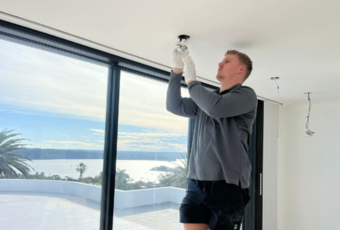
Electrical
Licensed electrical services across Sydney, including upgrades, fault finding, switchboards, lighting, maintenance and complete electrical solutions.

Solar
Reliable solar and battery systems designed to reduce energy costs, improve efficiency and support smarter long-term energy use.
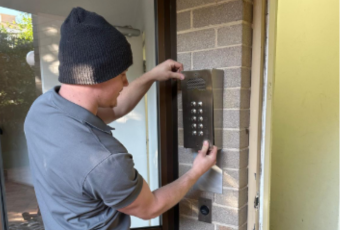
Security
Integrated security solutions, including CCTV, alarms, access control and intercom systems to help protect people, property and assets.
Ceramic Fuse Box & Switchboard FAQs
These FAQs answer common questions about ceramic fuses, circuit breakers, safety switches and upgrading older switchboards in Sydney homes.
Are ceramic fuses safe?
Ceramic fuses provide overcurrent protection, but a switchboard using older fuse technology may lack modern RCD protection, circuit capacity or other features found in a contemporary electrical system. The complete switchboard should be assessed rather than judging one fuse alone.
Do I need to replace my ceramic fuse box?
Not every property is identical, but ceramic fuses are a strong reason to have the switchboard assessed. Replacement may be recommended where protection, condition, capacity or future electrical requirements make the existing board unsuitable.
Are ceramic fuses the same as circuit breakers?
No. Ceramic fuses use replaceable fuse wire that melts during excessive current. Circuit breakers automatically switch off during specified fault conditions and can generally be reset after the underlying issue has been addressed.
Is a circuit breaker the same as a safety switch?
No. A circuit breaker primarily protects circuits and wiring from excessive current. A safety switch or RCD monitors for leakage current and is designed to help protect people against electric shock.
How do I know if I have safety switches?
Safety switches normally have a Test or T button. If you’re unsure whether all relevant circuits have appropriate RCD protection, have the switchboard checked by a licensed electrician.
Do I need safety switches if I already have circuit breakers?
Circuit breakers and safety switches perform different protective functions. Having circuit breakers does not automatically mean the home has appropriate RCD safety-switch protection.
Does having ceramic fuses mean my wiring is old?
Not necessarily. The switchboard and wiring may have been upgraded at different times. The condition and type of the home’s wiring should be assessed separately.
Can I upgrade my switchboard without rewiring the house?
Often, yes. Whether additional wiring work is required depends on the condition and suitability of the existing circuits.
How old is my switchboard if it has ceramic fuses?
Ceramic fuses generally indicate an older style of switchboard, but they do not provide an exact installation date. Previous owners may also have modified the electrical system at different times.
Why does my ceramic fuse keep blowing?
Repeated fuse operation can indicate circuit overload or another electrical fault. Have the cause identified instead of continually replacing the fuse wire.
Can I replace ceramic fuses with circuit breakers myself?
No. Switchboard and fixed electrical work should be carried out by a licensed electrician. NSW electrical installation work must be completed by appropriately licensed electrical workers.
Do I need a switchboard upgrade before installing an EV charger?
Not always. However, an older board with ceramic fuses, limited space or inadequate protection may need upgrading before an EV charging circuit can be installed.
Do I need a switchboard upgrade before installing solar or a battery?
Possibly. The existing board needs suitable protection, space and capacity for the proposed system. An assessment before installation can identify whether upgrade work is required.
Does a modern switchboard increase the electrical capacity of my house?
Not automatically. A new switchboard can provide improved circuit configuration and protection, but the property’s incoming electrical supply and overall load capacity are separate considerations.
Who replaces ceramic fuse boxes in Sydney?
A licensed electrician can assess and replace an older fuse board. MPV Group’s Switchboard Upgrades Sydney service includes ceramic fuse-board replacement, circuit breakers, safety switches and capacity upgrades.
Blog
Related articles
Catch up on the latest MPV Group electrical, solar and security news and insights.



MPV Solar is committed to providing industry-leading solar energy solutions across Sydney, backed by a proven track record of successfully completing over 5,000 projects. As a family-owned business, we prioritise personalised service and truly value our clients, ensuring that each system is tailored to meet your unique energy needs.
Copyright 2026. All Rights Reserved.
Created by Codex Digital and Yakka Consulting
Get in Touch
MPV Solar
Unit 3, 43-51 College St,
Gladesville NSW 2111
info@mpvgroup.com.au
(02) 9817 0333
Monday – Friday
8:30 – 5:00pm