


 Call Us

NSW EV Fleet Grants: Could Your Business Get Funding for EV Chargers?
If your business is thinking about replacing petrol or diesel work vehicles with electric vehicles, there is another question worth asking before you start: Could your business receive NSW Government funding towards the vehicles and the charging infrastructure needed to support them?
The NSW Government’s EV Fleets Incentive is designed to help eligible NSW businesses transition their fleets to battery electric vehicles (BEVs), with funding available for eligible vehicles and smart EV charging infrastructure. For Sydney businesses, this makes fleet electrification more than a vehicle purchasing decision. Before installing workplace EV chargers, you may also need to consider your site’s:
- electrical capacity
- switchboard
- three-phase power
- charging load
- available parking and charger locations
- existing electrical infrastructure
- future fleet size
- solar generation and future energy demand.
Getting the electrical side right from the beginning can make it easier to build an EV charging system that works for your fleet today and can expand as more vehicles become electric.
For businesses looking at the bigger picture, MPV Group can also help plan integrated energy solutions that consider EV charging alongside the property’s existing electrical and energy infrastructure.
Is NSW EV Fleet Funding Currently Available?
The current Kick-start funding round remains open for applications, but there is an important update for businesses considering applying.
As of 3 August 2026, the NSW Government reported that the full $9 million FY2025–26 Kick-start allocation had been allocated to approved applicants.
Businesses can still apply, but new eligible applicants are currently being placed on a waitlist. Funding that is forfeited by previously approved applicants may then be offered to businesses on that list in application-date order.
The published closing date is currently 30 November 2026, although the NSW Government notes that the waitlist could close earlier.
So, if fleet electrification is already on your business roadmap, it may still be worth checking your eligibility and understanding the electrical infrastructure your site will need.
What Is the NSW EV Fleets Incentive?
The NSW EV Fleets Incentive is a government program designed to accelerate the transition of business fleets from internal combustion vehicles to battery electric vehicles. There are two funding streams.
Kick-start funding is aimed primarily at smaller fleets or organisations wanting to trial a limited number of EVs.
Competitive bid funding is designed for larger fleet transitions. The most recent competitive bid round has closed, with another round planned for 2026.
For many small and medium-sized Sydney businesses considering their first electric work vehicles, the Kick-start program is the most relevant place to begin.
How Many Fleet Vehicles Do You Need to Qualify?
For standard businesses, Kick-start funding generally requires an existing fleet of at least three vehicles registered and operating in NSW. There are separate provisions for licensed taxi operators and individual truck operators, who may qualify with at least one eligible vehicle.
The existing fleet must have been operating for at least six months before the application, and the vehicles used to establish the minimum fleet size cannot include the new BEVs being submitted for funding. This means you do not necessarily need to operate a large corporate fleet.
A Sydney trade business with several vans, a service company with multiple company cars or a commercial operator with a small vehicle fleet could potentially fall within the eligibility criteria, subject to the complete program requirements.
How Much EV Fleet Funding Could a Business Receive?
Funding varies according to the type and weight of the vehicle.
Under the current Kick-start structure, eligible incentives include:
| Vehicle | Current incentive |
|---|---|
| Passenger vehicle or SUV | $5,000 |
| Light commercial vehicle under 2.5 tonnes | $5,000 |
| Light commercial vehicle from 2.5 to 3.5 tonnes | Up to $8,000 |
| Heavy commercial vehicle over 3.5 to 4.5 tonnes | Up to $10,000 |
| Heavy commercial vehicle over 4.5 to 8 tonnes | Up to $15,000 |
| Heavy commercial vehicle over 8 to 15 tonnes | Up to $25,000 |
| Heavy commercial vehicle over 15 to 23 tonnes | Up to $50,000 |
Kick-start funding can support up to 15 eligible vehicle incentives, subject to the program conditions and previous incentives received. But buying the vehicles is only part of the transition. You also need somewhere to charge them.
Are There EV Charger Grants for NSW Businesses?
Yes. Eligible businesses receiving a vehicle incentive may also be able to receive funding towards approved smart EV charging infrastructure.
This is particularly important because fleet charging installations can be more complex than simply mounting an EV charger on a wall.
Depending on the number of vehicles, charger type and existing electrical infrastructure, a business may need new dedicated circuits, switchboard works, electrical distribution upgrades, load management or changes to the way power is supplied around the site.
Under the current Kick-start program, a business must apply for an eligible vehicle incentive to opt into the charging incentive for the corresponding charging port.
How Much Funding Is Available for Business EV Chargers?
The amount depends on the vehicle category and whether the charging strategy uses AC chargers, DC chargers or a combination.
For passenger vehicles, SUVs and light commercial vehicles up to 3.5 tonnes, the current incentive can provide up to $3,000 per eligible AC charging port.
For eligible heavier commercial vehicles, the AC charging incentive can increase to up to $5,000 or $6,000 per port, depending on vehicle category.
Eligible DC charging infrastructure can receive significantly higher support. Depending on the charging strategy and vehicle category, the program can contribute 50% of eligible installation costs, subject to specified per-port caps.
The total number of AC and DC charging incentives available to an organisation is capped under the program rules.
That makes charger selection and site planning particularly important.
Can the NSW Grant Pay for Electrical Installation?
The incentive is designed to contribute towards some of the eligible costs associated with installing approved smart charging infrastructure.
The NSW Government specifically states that the Kick-start incentive can cover some installation costs associated with charging infrastructure. However, businesses should not assume that every electrical upgrade or associated site cost will automatically qualify.
This is why the electrical assessment should happen early.
Before committing to a fleet charging solution, an electrician may need to determine:
- how much spare electrical capacity the site has
- whether the existing switchboard can support the charging load
- whether three-phase supply is available
- where chargers can practically be installed
- how much power several vehicles could draw at the same time
- whether dynamic or managed charging is appropriate
- whether additional electrical infrastructure will be required
- how the charging system could expand as the fleet grows.
MPV Group already provides commercial electrical services across Sydney, including switchboard, power, upgrade and electrical infrastructure works. Planning fleet charging as part of the broader commercial electrical system helps avoid treating each charger as an isolated piece of equipment.
Do Businesses Need AC or DC EV Chargers?
There is no single charger type that is right for every commercial fleet. The best option depends on how the vehicles operate.
AC EV Charging
AC charging may suit businesses where vehicles return to a depot, warehouse or office and remain parked for several hours or overnight.
For example, trades vans returning to a Sydney depot at the end of each workday may have many hours available to recharge before leaving the following morning.
In this situation, several intelligently managed AC charging ports may be more practical than installing a high-powered DC charger.
DC EV Charging
DC charging may be more appropriate when vehicles:
- need to return to service quickly
- cover high daily kilometres
- have short charging windows
- operate across multiple shifts
- include suitable commercial or heavy vehicles.
The current NSW incentive accommodates eligible AC and DC charging strategies, including higher funding caps for certain DC installations.
The decision should therefore be based on fleet operations, vehicle specifications and site electrical capacity, not simply which charger has the highest advertised power output.
Can Your Existing Electrical System Handle an EV Fleet?
This may be the most important question to answer before installing multiple business EV chargers. One charger can represent a significant new electrical load. Several chargers operating simultaneously can create a very different demand profile for a commercial property. For example, a site planning to progressively electrify five, ten or fifteen work vehicles needs to think beyond the first charger.
A commercial EV charging assessment should consider both the initial fleet rollout and the likely future fleet. That could involve reviewing:
Switchboard capacity: Is there sufficient space and electrical capacity for the new charging circuits?
Power supply: Does the property have an appropriate single-phase or three-phase supply for the proposed charging strategy?
Maximum demand: What happens when fleet vehicles are charging at the same time as air conditioning, machinery, lighting and other commercial equipment?
Load management: Can charging be dynamically controlled so the chargers share available electrical capacity?
Future expansion: Can the initial infrastructure support additional charging ports later without starting the project again?
This is where commercial EV charging becomes an electrical infrastructure project rather than simply an equipment purchase. If your existing supply, switchboard or electrical capacity is not sufficient for the proposed charging load, an electrical system upgrade may be required before additional EV chargers can be installed.
Do You Need Three-Phase Power for Commercial EV Chargers?
Not necessarily. Some commercial AC charging installations can operate from single-phase power, while higher-powered AC charging and many larger fleet charging configurations may require or benefit from three-phase supply.
The answer depends on the available electrical supply, charger specifications, vehicles, desired charging speed and the number of vehicles being charged.
A commercial electrician can assess the existing supply before charger equipment is selected.
For fleet operators, this is especially important because selecting chargers before checking the site’s available capacity can lead to unnecessary equipment costs or additional electrical work later.
Should You Install One Charger for Every Fleet EV?
Not always. The NSW funding structure matches eligible charger incentives with incentivised vehicles, but operationally a business may not necessarily need every vehicle charging at full power simultaneously.
The right charging strategy may depend on:
- when vehicles return to base
- how far each vehicle travels
- battery capacities
- overnight parking time
- charging speed
- vehicle rotation
- available site power.
Smart charging and load management can potentially allow several charging ports to share available power intelligently. The goal should be to provide each vehicle with the energy it needs before its next trip, rather than simply installing the maximum amount of charging power everywhere.
Can Commercial Solar Help Offset EV Fleet Charging Costs?
Yes. For suitable businesses, commercial solar can form part of a broader fleet electrification strategy.
Businesses that charge vehicles during daylight hours may be able to use electricity generated onsite by a commercial solar system rather than purchasing all of their charging electricity from the grid.
The benefit will depend heavily on when vehicles are onsite.
For example, a fleet that leaves early each morning and returns late in the afternoon will have a different solar opportunity from vehicles that regularly return to the depot throughout the day.
This is why EV fleet planning can also be an opportunity to look at the site’s broader energy profile.
The NSW EV Fleets Incentive itself is focused on eligible vehicles and smart charging infrastructure rather than being a commercial solar rebate. Businesses considering solar should also understand the commercial solar rebates and incentives available in Australia and assess the potential project economics separately.
For detailed commercial solar system sizing, rebates and solar ROI, businesses can speak with MPV Solar, MPV Group’s specialist solar division.
Think Beyond the First EV Charger
The biggest mistake a business can make when electrifying its fleet is planning only for the first vehicle. If you operate ten work vehicles today and expect most of them to become electric over the coming years, the electrical infrastructure installed for your first one or two EVs should take that future requirement into account. That does not necessarily mean installing ten chargers immediately. It means considering:
Today’s requirement → future fleet size → available electrical capacity → smart charging → solar → future expansion.
Planning this way can reduce the risk of paying to replace or substantially rework electrical infrastructure every time another EV joins the fleet.
Planning to Electrify Your Business Fleet?
Thinking about moving your work vehicles to electric?
Before ordering chargers, talk to MPV Group about the electrical infrastructure behind them.
MPV Group can assess your Sydney business’s existing electrical system, switchboard, power supply, charging locations and future fleet requirements to help determine a practical EV charging solution.
With commercial electrical, EV charging and energy expertise available through the MPV Group of businesses, we can look beyond the charger itself and consider how your vehicles, electrical infrastructure, charging demand and future energy requirements work together.
Talk to MPV Group about preparing your business for EV fleet charging.
1 Company – 3 Integrated Services
Complete Electrical, Solar and Security Solutions Across Sydney

Electrical
Licensed electrical services across Sydney, including upgrades, fault finding, switchboards, lighting, maintenance and complete electrical solutions.
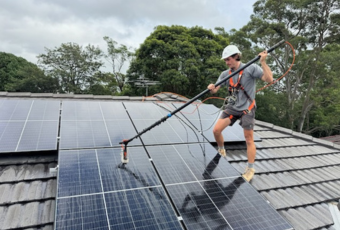
Solar
Reliable solar and battery systems designed to reduce energy costs, improve efficiency and support smarter long-term energy use.
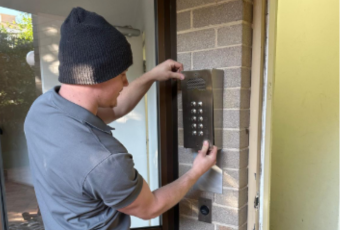
Security
Integrated security solutions, including CCTV, alarms, access control and intercom systems to help protect people, property and assets.
NSW EV Fleet Grants FAQs
These answers cover some of the most common questions NSW businesses are asking about EV fleet incentives, workplace charging infrastructure and preparing a commercial property for electric vehicles.
Are there EV charger grants for NSW businesses?
Yes. The NSW EV Fleets Incentive includes charging incentives for eligible businesses receiving vehicle incentives, including approved AC and DC smart charging infrastructure. The current Kick-start funding allocation has been fully allocated, however applications are presently being accepted onto a waitlist for any funding that becomes available.
Can my business get funding for workplace EV chargers?
Potentially. If your business meets the EV Fleets Incentive requirements and receives an eligible vehicle incentive, you may also be able to opt into funding for eligible smart charging infrastructure.
How many fleet vehicles do I need for the NSW EV incentive?
For most businesses, Kick-start funding requires an existing fleet of at least three vehicles registered in NSW. Different minimum requirements apply to licensed taxi operators and individual truck operators.
Can the grant pay for EV charger electrical installation?
The Kick-start charging incentive is designed to cover some eligible costs associated with installing charging infrastructure. The amount and eligible costs depend on the charging strategy and program requirements.
Can I install AC or DC chargers under the NSW EV fleet incentive?
Yes. The current funding structure supports eligible AC charging as well as DC chargers up to 60 kW and, for certain heavy-commercial-vehicle applications, DC charging above 60 kW.
Does every business need DC fast charging for an EV fleet?
No. Businesses with vehicles parked for long periods or overnight may find AC charging sufficient. Businesses with short turnaround times, high daily kilometres or larger commercial vehicles may have a stronger case for DC charging. The charging system should be designed around the fleet’s actual operating pattern.
Do commercial EV chargers require three-phase power?
Not every commercial EV charger requires three-phase power. The requirement depends on the charger output, number of chargers, vehicle charging capability and the site’s available electrical supply. A commercial electrical assessment should be completed before the charging system is designed.
Can commercial solar help reduce EV fleet charging costs?
Yes. Commercial solar can help reduce the amount of grid electricity required for fleet charging where vehicles can use solar-generated electricity while they are onsite. The financial benefit depends on charging times, solar generation, electricity tariffs and the site’s wider energy profile.
Is the NSW EV Fleets Incentive still open?
The current Kick-start round has a published closing date of 30 November 2026, but as of 3 August 2026 the full $9 million allocation had been committed. New applicants are currently joining a waitlist for funding that may become available if existing allocations are forfeited. The NSW Government has indicated that the waitlist may close earlier if further funding is unlikely to become available.
Blog
Related articles
Catch up on the latest MPV Group electrical, solar and security news and insights.



MPV Solar is committed to providing industry-leading solar energy solutions across Sydney, backed by a proven track record of successfully completing over 5,000 projects. As a family-owned business, we prioritise personalised service and truly value our clients, ensuring that each system is tailored to meet your unique energy needs.
Copyright 2026. All Rights Reserved.
Created by Codex Digital and Yakka Consulting
Get in Touch
MPV Solar
Unit 3, 43-51 College St,
Gladesville NSW 2111
info@mpvgroup.com.au
(02) 9817 0333
Monday – Friday
8:30 – 5:00pm