


 Call Us

What Size EV Charger Can My Home Handle? 7kW, 11kW & 22kW Explained
A 22kW home charger may sound automatically better than a 7kW charger. But the number written on the charger is only part of the equation. Your actual home charging capacity can depend on:
- whether your home has single-phase or three-phase power
- your switchboard capacity and condition
- your property’s available electrical supply
- the size of the dedicated EV charging circuit
- other electrical loads operating in the home
- your EV’s maximum AC charging rate
- load management
- how quickly you genuinely need to charge.
That’s why at MPV Group, we recommend looking at your home’s electrical infrastructure before simply choosing the biggest EV charger available.
Quick Answer: What Size EV Charger Do I Need at Home?
For many Sydney homes, a 7kW EV charger provides a practical home charging solution. A 7kW charger will commonly suit a property with single-phase power and can provide substantial charging while the vehicle is parked overnight.
An 11kW EV charger may suit homes with appropriate three-phase power and vehicles capable of accepting higher three-phase AC charging.
A 22kW EV charger requires an appropriate three-phase electrical supply to provide its full rated output and only delivers the full charging benefit when the EV itself can accept that level of AC charging.
Australian Government guidance describes dedicated home EV chargers as typically operating between 7kW and 22kW and notes that installing one may require changes to the home’s switchboard or electricity supply connection. The important point? Bigger isn’t always better. The right EV charger is the one your car needs and your home can safely support.
What Determines How Large an EV Charger My Home Can Support?
Before recommending an EV charger, there are several electrical questions that should be answered.
1. Does Your Home Have Single-Phase or Three-Phase Power?
This is one of the first things to establish.Many Sydney homes have single-phase electricity, while other properties have three-phase power. As a general residential charging configuration: Single phase → commonly up to around 7kW charging
Three phase → can potentially support higher charging capacities such as 11kW or 22kW
But having three-phase power doesn’t automatically mean you should install a 22kW charger. The entire electrical installation still needs to be assessed.
2. Can Your Switchboard Support an EV Charger?
Your switchboard plays a major role in an EV charger installation. An electrician may need to check:
- switchboard age and condition
- available circuit space
- existing circuit protection
- available electrical capacity
- the condition of existing equipment
- consumer mains
- existing major electrical loads
- whether an upgrade is required.
The NSW Government specifically recommends considering switchboard capacity when adding significant electrical loads such as an EV charger.Older Sydney homes can require particular attention. Your house may have been designed long before homeowners started running combinations of:
- EV chargers
- ducted air conditioning
- induction cooktops
- electric hot water
- pool pumps
- home batteries
- large solar systems
- multiple home-office appliances.
That doesn’t mean every older home needs a switchboard upgrade. It means the existing installation needs to be checked before adding another substantial electrical load.
Learn more about switchboard upgrades
3. How Much Electrical Capacity Is Available?
This is where EV charger selection becomes more than simply choosing a product online. Your house has a finite electrical supply. An EV charger operates alongside everything else using electricity in the home. Imagine arriving home in the evening and simultaneously running:
EV charger + air conditioning + oven + induction cooktop + hot water + pool equipment.
The charging system needs to be designed with the rest of the property in mind. An electrician can assess the home’s electrical demand and determine how an EV charger can be incorporated appropriately.
In some installations, dynamic load management can also be used to manage available electrical capacity.
7kW EV Charger: Is It Enough for My Home?
For many EV owners, yes. A 7kW charger is a common residential charging choice because it can provide significantly faster charging than a standard household power point without automatically requiring the higher capacity associated with a 22kW charger. Australian Government guidance indicates dedicated residential chargers can add approximately 30 to 80 kilometres of driving range per hour, depending on the vehicle and charging conditions.
A 7kW charger may suit you if:
- your home has single-phase power
- you drive moderate distances each day
- your EV remains parked at home overnight
- you regularly plug the vehicle in
- you have one EV
- your vehicle accepts around 7kW AC charging
- you don’t need to recharge an almost-empty battery in a few hours.
For many drivers, the important question isn’t: “How fast can I charge the whole battery?”
It is: “Can I replace the kilometres I drove today before I need the car again?”
If your EV spends eight or more hours sitting in the driveway overnight, the answer may be very different from someone operating a high-mileage business vehicle that is only home for short periods.
What About an 11kW EV Charger?
This is the option that often gets lost in the 7kW vs 22kW conversation. An 11kW charger generally uses three-phase power and can provide a useful middle ground where the vehicle and electrical installation support it. An 11kW EV charger may be worth considering when:
- your property already has three-phase power
- your EV supports 11kW AC charging
- you regularly travel longer distances
- you want faster charging than a 7kW setup
- you are planning for higher future household electricity demand
- you may own more than one EV.
The vehicle itself is critical. If your car can accept a maximum of 11kW AC charging, installing equipment capable of supplying 22kW does not mean the car will suddenly charge at 22kW.
Do I Need a 22kW EV Charger?
Probably not simply because it is the fastest option. A 22kW home EV charger can be valuable in the right property, but several things need to align. Your home needs an appropriate three-phase electrical supply. Your electrical infrastructure needs sufficient available capacity. Your charger installation needs to be designed for that load. And importantly: Your EV needs to be capable of accepting the charging rate.
Many electric vehicles have onboard AC charging limits below 22kW. If your EV can only accept 7kW or 11kW AC, plugging it into a 22kW-capable charger won’t necessarily make the car charge any faster. Always check the charging specification for your exact make, model and vehicle variant.
Does a 22kW Charger Mean My Car Will Charge Three Times Faster?
Not necessarily. This is one of the biggest misconceptions around home EV charging. Actual charging speed is limited by the weakest link in the charging chain. That could be:
- your property’s electrical supply
- the charger
- the circuit supplying the charger
- load management settings
- or the EV’s onboard AC charger.
For example, connecting a car capable of accepting a maximum of 11kW AC to a 22kW charger won’t make it draw 22kW. The charger can offer the power. The car determines how much it can accept.
Do I Need Three-Phase Power for an EV Charger?
No. You do not automatically need three-phase power simply because you have purchased an electric vehicle. Many Sydney homeowners can use a 7kW single-phase EV charger effectively. Three-phase power becomes more relevant where:
- faster home charging is genuinely required
- the vehicle supports higher AC charging rates
- the property already has significant electrical demand
- multiple EVs are planned
- further home electrification is expected
- the home already has three-phase supply.
The decision shouldn’t start with: “Can I get three phase?”
It should start with: “What problem would three-phase charging solve for me?”
If your 7kW charger can comfortably restore your normal daily driving overnight, upgrading the home’s electrical infrastructure solely to reduce a charging period while the car is already parked may provide limited practical benefit.
Should I Upgrade to Three-Phase Power for My EV?
Sometimes it makes sense. Sometimes it doesn’t. MPV Group can assess the broader electrical requirements of the home before recommending an upgrade. This becomes particularly useful if your future plans include:
- a second EV
- induction cooking
- electric hot water
- additional air conditioning
- pool or spa equipment
- workshop machinery
- solar
- battery storage
- other large electrical loads.
An EV may be the trigger for reviewing your home electrical system, but it shouldn’t necessarily be considered in isolation.
Does My EV Charger Need a Dedicated Circuit?
A fixed home EV charger will generally require an appropriately designed dedicated electrical circuit. The charger isn’t simply another appliance that should be plugged into whatever circuit happens to be nearby. An EV charging installation needs to consider appropriate:
- cable sizing
- circuit protection
- isolation
- charger configuration
- electrical capacity
- installation location
- applicable electrical requirements.
Dedicated EV chargers must be installed by a licensed electrician.
What If My Home Doesn’t Have Enough Electrical Capacity?
It doesn’t necessarily mean an EV charger can’t be installed. Depending on the property, possible solutions may include:
- selecting a lower charging rate
- configuring the charger below its maximum output
- installing dynamic load management
- upgrading the switchboard
- upgrading consumer mains
- upgrading the electricity supply
- moving from single-phase to three-phase power where appropriate.
The correct solution depends on what is limiting the property. This is why the electrical assessment should come before the charger recommendation.
What Is Dynamic Load Management for an EV Charger?
Dynamic load management can allow an EV charging system to respond to how much electricity the rest of the home is using. For example, when major household appliances are operating, the EV charger may automatically reduce its charging rate.
When household demand decreases, more capacity can become available to the charger. Depending on the equipment and electrical design, load management can help homeowners make better use of the electricity supply already available. This can be particularly useful as homes become increasingly electrified.
Can I Install Two EV Chargers at Home?
Potentially. But two EVs don’t necessarily mean you need two chargers operating at maximum power at the same time. An electrician can consider options such as:
- two independently supplied chargers
- charger power sharing
- dynamic load management
- alternating charging schedules
- a larger three-phase installation
- a staged system that allows future expansion.
The key questions become:
How far does each vehicle travel?
When are both vehicles home?
Do they actually need to charge simultaneously?
What can each EV accept?
How much electrical capacity is available?
Smart system design can be more useful than simply installing as much charging capacity as possible.
Can My Older Sydney Home Handle an EV Charger?
Often, yes. But older Sydney properties deserve a proper electrical assessment. Many homes across the Inner West, Ryde, Gladesville, Hunters Hill, Lower North Shore and surrounding suburbs were built decades before EV chargers became a normal residential electrical load.
Your electrician may need to look more closely at:
- the age of the switchboard
- existing safety switches
- wiring condition
- consumer mains
- available electrical supply
- existing renovations and additions
- garage or carport electrical supply
- distance between the switchboard and parking location.
The age of the house alone doesn’t determine whether an EV charger can be installed. The condition and capacity of the electrical infrastructure does.
Should I Buy the EV Charger Before Calling an Electrician?
We recommend having the electrical requirements assessed first. Buying a 22kW charger because it appears more future-proof can create complications if you later discover:
- your property only has single-phase power
- your vehicle can’t use 22kW
- your switchboard needs additional work
- your available supply is limited
- a 7kW or 11kW charger would comfortably meet your needs.
Start with the car and the house. Then choose the charger.
EV Charger Installation Is More Than Mounting a Box on the Wall
The charger itself is only one component. A properly planned installation needs to consider the pathway from the electricity supply all the way to the vehicle: Electrical Supply → Switchboard → Dedicated Circuit → Charger → Vehicle
And increasingly: Solar + Battery + Other Household Loads
That’s why comparing EV charger installation quotes purely on price can be difficult. Two quotes may not include the same electrical work. Before accepting an EV charger installation quote, ask whether it includes an assessment of:
- the switchboard
- available electrical capacity
- circuit requirements
- cable route
- protection equipment
- charger configuration
- single-phase or three-phase supply
- load management
- commissioning
- future electrical requirements.
How Do I Know What EV Charger My Sydney Home Needs?
Before choosing a charger, consider four areas.
Your EV
Check: maximum AC charging capacity, battery size, daily kilometres travelled, usual arrival battery level, how long the car stays at home.
Your Home
Check: single-phase or three-phase supply, switchboard condition, electrical capacity, major existing appliances, charger location, cable distance.
Your Lifestyle
Consider: overnight charging availability, commuting distance, multiple vehicles, weekend travel, business use, future EV purchases.
Your Future Electrical Needs
Think about whether you may also add: induction cooking, electric hot water, another EV, additional air conditioning, solar, a home battery.
Designing around where your home is heading can make more sense than designing solely around what you own today.
EV Sales Are Growing. Home Electrical Readiness Matters Too.
More than one in five Australian new vehicles sold in July 2026 was battery electric. And the Australian Government says around 80% of reported EV charging occurs at home. That means the rise of EVs isn’t only changing Australia’s roads. It’s changing the electrical requirements of Australian homes. As EVs, batteries, solar and electric appliances become more common, correctly assessing the home’s electrical infrastructure will become increasingly important.
Your EV Is Ready. Is Your Home?
If you’ve ordered an electric vehicle or are considering installing a home EV charger, don’t choose the charger based on kW alone. MPV Group can assess your:
- switchboard
- electrical capacity
- single-phase or three-phase supply
- dedicated circuit requirements
- proposed charger location
- load-management requirements
- future electrical needs.
From EV charger installation and switchboard upgrades to three-phase power and complete electrical upgrades, MPV Group can help make sure your home is ready for what’s coming next.
Find out what EV charger your home can handle. Talk to MPV Group about an EV Home Readiness Assessment in Sydney.
1 Company – 3 Integrated Services
Complete Electrical, Solar and Security Solutions Across Sydney

Electrical
Licensed electrical services across Sydney, including upgrades, fault finding, switchboards, lighting, maintenance and complete electrical solutions.
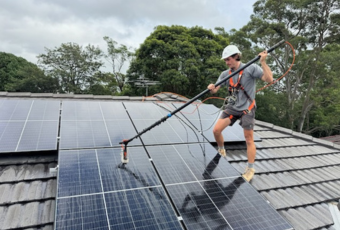
Solar
Reliable solar and battery systems designed to reduce energy costs, improve efficiency and support smarter long-term energy use.
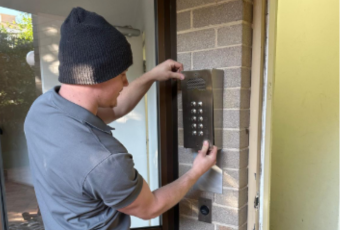
Security
Integrated security solutions, including CCTV, alarms, access control and intercom systems to help protect people, property and assets.
FAQs About EV Charger Size
Not sure whether your home needs a 7kW, 11kW or 22kW charger? These are some of the questions Sydney homeowners are asking when preparing their electrical system for an EV.
What size EV charger do I need at home?
For many homes, a 7kW charger can provide sufficient overnight charging. However, the right size depends on your daily driving, vehicle charging capability, electricity supply and how long the EV is normally parked at home.
Can my house handle a 7kW EV charger?
Many homes can support a 7kW EV charger, but a licensed electrician should first assess the switchboard, available electrical capacity and existing household loads.
Can I install a 22kW EV charger at home?
Potentially. To provide its full output, a 22kW charger requires an appropriate three-phase supply, sufficient electrical capacity and a vehicle capable of accepting that charging rate.
Do I need three-phase power for a 7kW EV charger?
A 7kW residential EV charger will commonly operate using single-phase power. The exact electrical requirements depend on the charger and property.
Is 7kW fast enough for home EV charging?
For many drivers, yes. If the vehicle is parked overnight and you are replacing normal daily driving rather than charging an empty battery from zero to full, 7kW can provide substantial charging capacity.
Is 11kW EV charging better than 7kW?
It can provide faster charging where the home has suitable three-phase power and the vehicle supports 11kW AC charging. Whether that extra speed is valuable depends on your driving and charging routine.
Is 22kW charging better than 11kW?
Only where your vehicle can accept more than 11kW AC and your electrical infrastructure supports the additional capacity. Otherwise, a 22kW charger may provide no charging-speed advantage.
Do all EVs accept 22kW home charging?
No. EVs have different onboard AC charging limits. Check the manufacturer’s specifications for the exact vehicle model and variant before choosing a charger.
Will I need a switchboard upgrade for my EV charger?
Not necessarily. Some homes already have suitable switchboards, while others may require upgrades because of condition, capacity, circuit space or existing electrical equipment.
Can an EV charger overload my house?
A properly assessed and designed EV charging installation should account for the home’s available electrical supply and other loads. Where necessary, load-management systems or electrical upgrades may be considered.
What is load balancing for an EV charger?
Load balancing monitors electrical demand and can adjust the EV charger’s output based on the power being used elsewhere in the property. This can help manage charging within the available electrical supply.
Should I upgrade to three-phase power for an EV charger?
Not automatically. Three-phase power can provide additional charging capacity, but whether the upgrade is worthwhile depends on your EV, daily driving, existing electrical system and future household electricity requirements.
Can I install two EV chargers at home?
Potentially. The electrical system needs to be assessed to determine whether two chargers can operate simultaneously or whether power sharing or load management would provide a better solution.
Should I get my electrical system checked before buying an EV charger?
Yes. Having the switchboard, electricity supply and available capacity assessed first can help you select a charger that suits both your vehicle and your home.
Who can install a home EV charger in Sydney?
A dedicated home EV charger must be installed by a suitably licensed electrician. Choosing an electrician experienced with EV charging also helps ensure your switchboard, available supply and charger requirements are considered as part of the installation.
Blog
Related articles
Catch up on the latest MPV Group electrical, solar and security news and insights.



MPV Solar is committed to providing industry-leading solar energy solutions across Sydney, backed by a proven track record of successfully completing over 5,000 projects. As a family-owned business, we prioritise personalised service and truly value our clients, ensuring that each system is tailored to meet your unique energy needs.
Copyright 2026. All Rights Reserved.
Created by Codex Digital and Yakka Consulting
Get in Touch
MPV Solar
Unit 3, 43-51 College St,
Gladesville NSW 2111
info@mpvgroup.com.au
(02) 9817 0333
Monday – Friday
8:30 – 5:00pm