


 Call Us

Can My Electrical System Handle a Fully Electric Home?
Possibly. Many Sydney homes can support solar, a home battery, EV charging and induction cooking, but the existing electrical supply, switchboard, circuits and total household demand should be assessed first.
Adding one electrical upgrade at a time may be relatively straightforward. The bigger question is what happens when your home eventually has: Solar + Battery + EV charger + Induction cooking + Air conditioning + Electric hot water
That is where whole-home electrical planning becomes important. Your home may already have enough capacity.
It may need additional dedicated circuits or a switchboard upgrade. Or the assessment may show that a broader electrical capacity upgrade should be considered.
MPV Group already assesses switchboards, circuit capacity and electrical loads for modern equipment including EV chargers, air conditioning, solar and battery storage.
What Is Home Electrification?
Home electrification means replacing or adding household systems so more of your home’s energy needs are powered by electricity. For a Sydney homeowner, that could mean moving towards:
- Induction instead of gas cooking
- Reverse-cycle air conditioning instead of gas heating
- Electric or heat-pump hot water
- An electric vehicle
- Rooftop solar
- Home battery storage
The result is a home that relies more heavily on electricity. That makes the electrical infrastructure behind those appliances increasingly important.
Why Does Electrical Capacity Matter?
Your home can only safely support the electrical demand its infrastructure is designed to handle. That includes more than the switchboard. A whole-home electrical assessment may need to consider:
- Incoming electricity supply
- Single-phase or three-phase power
- Consumer mains
- Switchboard capacity
- Existing circuit protection
- Dedicated appliance circuits
- Major existing electrical loads
- Future electrical upgrades
It is the interaction between all these elements that determines whether your home is ready for electrification.
Does Adding Solar Increase My Home’s Electrical Capacity?
Not in the same way as upgrading the property’s electrical supply. Solar generates electricity for the home, which can reduce the amount of electricity being drawn from the grid while the panels are producing.
But installing rooftop solar does not mean you can ignore the capacity of the switchboard, circuits or electricity supply. The solar system still needs to integrate correctly with the property’s electrical infrastructure. For the solar-design side, MPV Solar provides residential solar systems designed around household electricity use and future energy requirements.
Does a Home Battery Reduce the Need for an Electrical Upgrade?
Sometimes it can change how energy is used, but a battery does not automatically remove electrical capacity constraints. A battery can store electricity and supply energy to the home at other times, depending on how the system is configured.
However, the battery, inverter, switchboard and other electrical equipment still need to work together correctly. If you are considering battery storage, MPV Solar provides solar battery and storage solutions for new and existing solar systems.
The electrical infrastructure should be considered as part of the overall system rather than treating the battery as a standalone appliance.
How Much Electrical Capacity Does an EV Charger Need?
It depends on the charging speed and how the charger is configured. A home EV charger can add a significant electrical load, especially if you want faster charging.
But this does not automatically mean the entire electrical supply needs upgrading. Before installation, MPV Group assesses the home’s switchboard, existing electrical loads, available capacity, charger size, dedicated circuit requirements and whether load management may be useful.
If an EV is part of your electrification plans, see EV Charger Installation Sydney for the broader installation requirements.
Can My Home Handle an EV Charger and Induction Cooktop Together?
Potentially, yes. The important question is whether the home’s electrical system can support both loads alongside everything else operating at the property.
An induction cooktop and EV charger may each work perfectly well individually. But your home may also be running:
- Air conditioning
- Electric hot water
- Ovens
- Pool equipment
- Other high-demand appliances
That is why capacity should be assessed at the whole-home level. For induction specifically, see Induction Cooktop Electrical Requirements.
Do I Need a Switchboard Upgrade for Full Home Electrification?
Possibly, but not every electrified home needs a new switchboard. A switchboard upgrade becomes more likely where the existing board:
- Contains ceramic fuses
- Has insufficient circuit space
- Has limited RCD protection
- Is already overcrowded
- Cannot accommodate new dedicated circuits
- Shows heat damage or deterioration
- Was never designed around today’s electrical loads
MPV Group’s Switchboard Upgrades Sydney service specifically considers increased demand from EV charging, solar, battery storage and air conditioning.
The aim is not to replace the switchboard simply because you’re electrifying the home. It is to determine whether the existing board remains suitable.
Does a New Switchboard Give My Home More Power?
Not automatically. This is an important distinction.
A modern switchboard can improve circuit configuration, protection and capacity for additional circuits. But replacing the switchboard does not necessarily increase the amount of electricity available from the grid.
If the home’s total electrical demand exceeds what the existing supply can comfortably support, broader electrical infrastructure may need to be considered. That is why electrical upgrades and switchboard upgrades are related, but not always the same project.
Do I Need Three-Phase Power for an All-Electric Home?
Not necessarily. A Sydney home can potentially have solar, battery storage, induction cooking, air conditioning and EV charging while remaining on single-phase power.
Three-phase becomes worth assessing when the combination of electrical loads and required equipment makes greater capacity useful. The question should therefore not be: “I’m electrifying my house, so do I need three-phase?” It should be: “What will my home’s total electrical demand be, and what is the most appropriate way to support it?”
Our guide to Single-Phase vs Three-Phase Power for a Sydney Home covers that decision in detail.
Can Load Management Help Avoid a Three-Phase Upgrade?
Sometimes. Not every major electrical appliance has to operate at maximum demand at exactly the same time. For example, an EV charger may be able to reduce charging power when household demand is high and increase it again when capacity becomes available.
Charging can also be scheduled for times when other major appliances are less likely to be operating. This type of load management can make much better use of the electrical capacity already available.
For EV charging specifically, see EV Charger Load Management at Home.
However, load management cannot fix an unsafe, deteriorated or fundamentally unsuitable electrical installation.
Can I Have Solar, Battery and EV Charging on Single-Phase Power?
Yes, potentially. Many single-phase homes can accommodate combinations of solar, batteries and EV charging.
The system design still needs to account for:
- Available electrical capacity
- Solar inverter configuration
- Battery system
- EV charger
- Household energy consumption
- Export and network requirements
MPV Solar’s guide to charging an EV with solar and battery looks specifically at designing these energy systems to work together rather than treating them as unrelated products.
Should I Install a Bigger Solar System if I’m Electrifying My Home?
It may make sense to design solar around your future electricity use rather than today’s usage alone.
Adding an EV, induction cooking or electric hot water can change how much electricity the household consumes. A solar system designed only around your current bills could become undersized as more of the home becomes electric.
MPV Solar already takes household usage and future energy requirements into account when designing residential solar systems. If EV charging is part of the plan, its Solar + Battery + EV guide goes deeper into system sizing
Should I Install the Battery Before the EV Charger?
There is no universal order. The better approach is to first understand the end goal. If you know your home will eventually have:
- Solar
- Battery
- EV charging
- Induction
- Electric hot water
then those requirements should be considered together before the first major upgrade.
You may still install each component in stages.
But planning the finished system first can reduce the chance of needing to redo electrical infrastructure later.
What if I Already Have Solar?
Existing solar is a useful starting point, but it does not necessarily mean the system was designed for your future electricity needs. If the system was installed before you owned an EV, battery or induction cooktop, your consumption profile may now be very different. You may need to assess whether:
- The existing solar system is large enough
- The inverter remains appropriate
- Battery storage would be useful
- The switchboard can support the planned equipment
- EV charging can be coordinated with solar generation
MPV Solar’s Charge an EV With Solar Panels Sydney guide specifically considers existing solar size, battery capacity, switchboard capacity and single or three-phase supply together.
What if My Solar System Is Too Small for an Electric Home?
It may be possible to expand or replace the system depending on the existing equipment, roof space and electricity requirements. This is where energy design and electrical capacity need to meet.
MPV Group can assess whether the electrical infrastructure can support the planned loads. MPV Solar can then assess how much solar generation and battery capacity makes sense for the household.
That keeps the responsibilities clear:
MPV Group → electrical infrastructure and capacity
MPV Solar → solar, battery and energy-system sizing
What About Air Conditioning?
Air conditioning can be another major electrical load, particularly in a home with multiple split systems or larger ducted equipment. It should therefore be included in any whole-home capacity assessment.
If you’re considering a new system, read Do I Need an Electrical Upgrade Before Installing Air Conditioning?.
The electrical question becomes much more important when air conditioning is being added alongside induction, EV charging and electric hot water.
What About Electric Hot Water?
Electric hot water can add another substantial electrical requirement. This could involve conventional electric storage or a heat-pump system, depending on the home.
The important point is that the hot-water load should not be forgotten when planning electrification. A homeowner might carefully plan: Solar + Battery + EV + Induction
while overlooking the air conditioner, pool pump or hot-water system already consuming electricity. Whole-home capacity planning considers everything together.
Can an Older Sydney Home Become Fully Electric?
Yes, potentially. The age of the house itself is not the deciding factor.
What matters is the condition and capacity of the electrical system. Older Sydney homes can have a mixture of:
- Original wiring
- Newer circuits
- Older switchboards
- Renovated kitchens
- New electrical additions
Before adding several significant loads, it is worth establishing what is actually installed. Our Electrical Safety Inspection for Older Sydney Homes guide explains what should be assessed.
If the wiring itself is a concern, see Does My Sydney Home Need Rewiring?.
Does Electrifying My Home Mean I Need to Rewire It?
No. Full electrification does not automatically mean full rewiring. Depending on the property, the work might involve:
- New dedicated circuits
- Switchboard upgrades
- Circuit protection
- Load management
- Consumer mains or supply work
- Three-phase power
A full or partial rewire is only appropriate where the existing wiring itself needs replacing.
That is why MPV Group’s Electrical Upgrades Sydney service separates switchboard, circuit, system-capacity and wiring upgrades rather than treating them as one job.
What Are the Signs My Electrical System May Not Have Enough Capacity?
You may need a closer assessment if you are already experiencing:
- Repeated circuit tripping
- An overcrowded switchboard
- Ceramic fuses
- Limited spare circuit capacity
- Lights dimming when large appliances start
- Older electrical infrastructure
These symptoms do not automatically mean the house needs a major upgrade. They are signs that the existing system should be assessed before additional high-demand equipment is installed.
Should I Upgrade My Electrical System Before Installing Solar and a Battery?
Only where the existing electrical infrastructure requires it.
A modern, appropriately sized switchboard may already be suitable.
An older, overcrowded or inadequate board may need work before the new energy equipment is connected.
MPV Group recommends looking at the load demand and future requirements before deciding on the upgrade scope, rather than automatically replacing everything.
Should I Electrify Everything at Once?
You don’t have to.For many homeowners, electrification happens gradually.
- You might start with solar.
- Then add a battery.
- Then buy an EV.
- Later, replace gas cooking with induction and gas heating with reverse-cycle air conditioning.
That is completely reasonable.
The smarter approach is to plan the destination even if you reach it in stages. If the electrician knows what you are likely to add later, today’s switchboard or circuit upgrade can be designed with tomorrow in mind.
What Order Should I Electrify My Home?
There is no single correct order because every household uses energy differently. But before purchasing equipment, develop a basic roadmap covering:
- What you already have
- What you plan to replace
- What major loads are coming
- When you’re likely to buy an EV
- Whether solar needs expanding
- Whether battery storage is planned
- Whether gas appliances will eventually be removed
Then assess the home’s electrical infrastructure against that future setup. That prevents each contractor from designing their individual component without considering the bigger picture.
Should I Upgrade to Three-Phase Now for Future-Proofing?
Only where there is a reasonable electrical case for doing so.
Future-proofing does not mean automatically installing the biggest possible electrical supply. It means making sensible decisions based on realistic future loads.
For one home, the existing single-phase supply may remain suitable. Another property planning two EVs, large ducted air conditioning, induction and other heavy loads may justify a different solution.
Have the electrical demand assessed before deciding.
How Do I Know What My Home Can Actually Handle?
This is where the electrician looks at the complete system. The assessment may consider:
Your Electricity Supply: Is it single-phase or three-phase, and what capacity is currently available?
Your Switchboard: Is it modern, adequately protected and capable of accommodating the circuits you need?
Existing Major Loads: Air conditioning, hot water, cooking and pool equipment all matter.
Planned Loads: EV charger, induction, additional air conditioning and other electrical appliances need to be factored in.
Solar and Battery Plans: How will generation, storage and electricity consumption work together?
Future Requirements: Will there eventually be a second EV, larger solar system or further move away from gas?
The answer then becomes much more useful than simply saying “you need a bigger switchboard.”
What Electrical Upgrades Might an All-Electric Home Need?
The answer will differ from house to house. One property might only require a new induction circuit and EV charger circuit. Another might benefit from: Switchboard upgrade → Additional circuits → Load management → Consumer mains upgrade → Three-phase supply
The purpose of the assessment is to find the smallest appropriate solution that also makes sense for the home’s future plans.
MPV Group provides electrical upgrades across Sydney covering switchboards, circuit and load upgrades, wiring and broader system-capacity improvements.
What Electrical Upgrades Might an All-Electric Home Need?
A licensed electrician should assess the fixed electrical infrastructure. For MPV customers, there is a particularly useful split:
MPV Group can assess the home’s switchboard, electrical supply, circuits, EV charging and electrical capacity.
MPV Solar can assess the solar generation, inverter and battery-storage requirements.
That allows the electrical and energy sides of the property to be planned together rather than as separate projects.
MPV Group already offers electrical capacity, circuit and switchboard upgrades, while MPV Solar designs residential solar and battery systems around household consumption.
Planning an All-Electric Home? Start With Capacity.
Solar, batteries, EVs and induction cooking can work together very effectively. But the starting point is the infrastructure behind them.
Think of the home as one system: Supply → Switchboard → Circuits → Appliances → Solar → Battery → EV
You may discover your existing electrical system can already support much of what you are planning. Or you may identify a few upgrades that are worth completing now so the home is ready for what comes next.
MPV Group provides residential electrical services across Sydney and can assess your switchboard, circuits and electrical capacity before you add major new loads.
Planning solar, battery storage, an EV charger and induction cooking? Talk to MPV Group about whether your home’s electrical system is ready for the next stage.
1 Company – 3 Integrated Services
Complete Electrical, Solar and Security Solutions Across Sydney

Electrical
Licensed electrical services across Sydney, including upgrades, fault finding, switchboards, lighting, maintenance and complete electrical solutions.
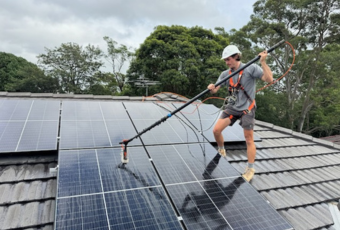
Solar
Reliable solar and battery systems designed to reduce energy costs, improve efficiency and support smarter long-term energy use.
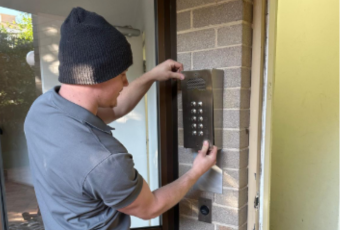
Security
Integrated security solutions, including CCTV, alarms, access control and intercom systems to help protect people, property and assets.
Home Electrification & Electrical Capacity FAQs
These FAQs answer common questions about home electrical capacity, solar, batteries, EV charging, induction cooking, switchboards and preparing a Sydney home for electrification.
Can my house handle solar, a battery, EV charger and induction cooktop?
Potentially, yes. The existing electrical supply, switchboard, circuits and total household demand should be assessed to determine whether any upgrades are required.
Do I need three-phase power for a fully electric home?
Not automatically. Many homes can support substantial electrical loads using single-phase power. Three-phase should be considered where the property’s total demand and equipment requirements justify it.
Can I have an EV charger and induction cooktop on single-phase power?
Potentially. The electrician needs to assess the available capacity and other major loads operating in the home.
Do I need a new switchboard for home electrification?
Not necessarily. A switchboard upgrade may be needed if the existing board is old, overcrowded, inadequately protected or unable to accommodate the required circuits.
Does solar increase my home’s electrical capacity?
Solar can reduce grid electricity consumption while it is generating, but it does not automatically increase the capacity of the home’s electricity supply.
Will a battery stop my home from exceeding its electrical capacity?
Not automatically. Battery systems can change when and where electricity is sourced, but the home still needs correctly designed electrical infrastructure and controls.
Can load management help avoid an electrical supply upgrade?
Sometimes. Smart load management can control certain flexible loads, particularly EV charging, to reduce simultaneous electrical demand.
Do I need three-phase power for an EV charger?
Not always. Many residential EV chargers can operate on suitable single-phase power. Higher charging requirements may make three-phase more relevant.
Do I need three-phase power for induction?
Not necessarily. Many induction cooktops can operate in single-phase homes, depending on the cooktop and available electrical capacity.
Can an older Sydney home become fully electric?
Yes, potentially. The home’s age is less important than the condition and capacity of its switchboard, wiring, circuits and electricity supply.
Does an all-electric home need rewiring?
Not automatically. New circuits, switchboard work or capacity upgrades may be enough. Rewiring is required only where the existing wiring itself needs replacement.
Can I install solar now and an EV charger later?
Yes. However, telling the solar designer about your future EV plans can help ensure the solar system is sized with future electricity consumption in mind.
Should I install solar before a battery?
It depends on the property and existing system. Many batteries are installed alongside solar or added to an existing solar system. The overall energy requirements should guide the design.
Can I charge my EV from solar and a home battery?
Yes, with an appropriately designed system. Solar generation, battery capacity, EV charging behaviour and charger controls all influence how effectively they work together. MPV Solar has a dedicated guide to solar and battery EV charging in Sydney.
Should I increase my solar system size before buying an EV?
It may be worthwhile if the existing system will be too small for the household’s future electricity use. Driving habits, charging times, roof space and current solar production should all be consid
Can my home handle air conditioning, induction and EV charging together?
Potentially, but these major loads should be considered together when assessing switchboard and supply capacity.
Should I upgrade to three-phase now if I plan to electrify my home later?
Only if the expected future electrical demand supports doing so. Future-proofing should be based on realistic planned loads rather than automatically upgrading the supply.
What should I upgrade first when electrifying my home?
Start by assessing the existing electrical system and mapping the upgrades you intend to make. That will show whether the switchboard, circuits or supply need attention before individual appliances are installed.
Who can check my home’s electrical capacity in Sydney?
A licensed electrician can assess the electrical supply, switchboard, circuits and planned household loads. MPV Group provides Electrical Upgrades Sydney for homes preparing for EV charging, modern appliances and higher electrical demand.



MPV Solar is committed to providing industry-leading solar energy solutions across Sydney, backed by a proven track record of successfully completing over 5,000 projects. As a family-owned business, we prioritise personalised service and truly value our clients, ensuring that each system is tailored to meet your unique energy needs.
Copyright 2026. All Rights Reserved.
Created by Codex Digital and Yakka Consulting
Get in Touch
MPV Solar
Unit 3, 43-51 College St,
Gladesville NSW 2111
info@mpvgroup.com.au
(02) 9817 0333
Monday – Friday
8:30 – 5:00pm