


 Call Us

What Is the Difference Between Single-Phase and Three-Phase Power?
Single-phase power supplies electricity through one active phase, while three-phase power provides electricity across three phases and can support greater electrical demand.
Many Sydney homes operate perfectly well on single-phase electricity.
Three-phase power becomes more relevant when a household has several high-demand electrical loads or equipment that specifically requires a three-phase supply.
That might include combinations of: EV charging | Large air conditioning | Induction cooking | Pool equipment | Electric hot water | Solar and batteries
But having more electrical appliances does not automatically mean you need three-phase power. The first step is understanding how much capacity your home actually needs.
MPV Group’s Electrical Upgrades Sydney service can assess the existing supply, switchboard and electrical demand before recommending an upgrade.
What Is Single-Phase Power?
Single-phase is a common electrical supply arrangement for residential properties and can support the everyday electrical needs of many Sydney homes.
Lights, power points, kitchen appliances, air conditioning and many other household loads can operate on single-phase electricity.
A home can also have solar, a battery and an EV charger while remaining single-phase, provided the electrical system and available capacity are suitable.
The question is therefore not: “Is single-phase old or inadequate?” It is: “Can my existing single-phase supply support everything I need to run?”
What Is Three-Phase Power?
Three-phase power uses three electrical phases and can provide greater capacity for larger or multiple electrical loads.
It is common in commercial and industrial properties but is also used in residential homes with higher electrical requirements.
For a household, the main advantage is the ability to distribute larger electrical loads across the three phases rather than relying on a single phase.
This may become useful as homes add more electrical equipment and move towards greater electrification.
Does My Sydney Home Need Three-Phase Power?
Not necessarily. Many households can continue using single-phase electricity even after adding new appliances.
Three-phase power becomes worth assessing when the home has substantial electrical demand, particularly where several high-powered loads may operate at the same time.
For example: EV charging + induction cooking + air conditioning + electric hot water may create a very different electrical demand profile from a home with gas cooking, gas hot water and no EV.
The appropriate solution may be three-phase power, but it could also be additional circuits, load management or another electrical capacity upgrade.
How Do I Know if My House Has Single-Phase or Three-Phase Power?
The safest way to confirm your supply is to have it checked by a licensed electrician. There may be clues at the switchboard and metering equipment, but homeowners should not open electrical enclosures or rely on visual assumptions. If the home has been renovated or upgraded over time, the electrical system may also be different from what you expect based on the age of the property.
For an older home with an unknown electrical history, an The safest way to confirm your supply is to have it checked by a licensed electrician. There may be clues at the switchboard and metering equipment, but homeowners should not open electrical enclosures or rely on visual assumptions. If the home has been renovated or upgraded over time, the electrical system may also be different from what you expect based on the age of the property.
For an older home with an unknown electrical history, an electrical safety inspection can provide a broader picture of the switchboard, wiring and electrical capacity. It can provide a broader picture of the switchboard, wiring and electrical capacity.
Is Three-Phase Power Better Than Single-Phase?
Three-phase is not automatically better. It simply provides a different level of electrical capacity. If your existing single-phase supply comfortably supports the home, there may be little benefit in changing it.
Three-phase becomes useful when the electrical requirements justify it. The aim should not be to install the largest possible electrical supply.It should be to have enough capacity for the way the home operates now and what you plan to add later.
Do I Need Three-Phase Power for an Induction Cooktop?
Not always.Many induction cooktops can operate in homes with single-phase power, although a dedicated high-power circuit and switchboard work may be required depending on the appliance.
So the decision should be based on the cooktop’s electrical specifications and the home’s available capacity rather than assuming induction automatically means three-phase.
If the switchboard is already older or crowded, see Switchboard Upgrades Sydney before adding another major electrical load.
Do I Need Three-Phase Power for an EV Charger?
No. Many homes can install a suitable EV charger using single-phase electricity. A typical 7kW home EV charger can operate on suitable single-phase power, while higher AC charging capacities such as 11kW or 22kW generally bring three-phase electricity into the discussion.
But bigger does not automatically mean better. The EV itself also limits how much AC charging power it can accept.
We’ve covered that question separately in Single-Phase vs Three-Phase EV Charging: What Does Your Home Need?.
That article should remain the main destination for EV-specific phase searches, while this page focuses on the whole home’s electricity supply.
Do Two EVs Mean I Need Three-Phase Power?
Not automatically. Two EVs may increase household demand, but they do not necessarily need to charge simultaneously at full power.
Smart charging, scheduling, power sharing and load management may allow the available electrical capacity to be used more efficiently.
If you are planning a second vehicle, see Can I Install Two EV Chargers at Home? before assuming the property needs a three-phase upgrade.
Does Air Conditioning Need Three-Phase Power?
It depends on the air-conditioning system. Many residential air conditioners operate on single-phase power.
Larger ducted systems or properties with substantial cooling loads may have different electrical requirements.What matters is not just the air conditioner itself, but how its demand fits alongside the rest of the home.
If a large air-conditioning system is being added to a home that already has induction cooking, EV charging and electric hot water, the total electrical demand should be assessed together.
What About Electric Hot Water and Heat Pumps?
Electric hot water adds another significant load to the home, although the actual demand varies according to the system. A heat-pump water heater does not automatically require three-phase electricity.
Again, the electrician should look at the combination of major loads, rather than deciding on the supply based on one appliance in isolation.This becomes increasingly important as Sydney households replace gas appliances with electrical alternatives.
Do Solar Panels Require Three-Phase Power?
No. Residential solar can be installed on both single-phase and three-phase properties. However, the electrical supply and phase configuration can influence how a solar system is designed and connected.
If you’re planning a larger solar system, battery and other electrical upgrades together, it makes sense to assess the home’s electrical infrastructure early.MPV Group can assess the electrical and switchboard requirements, while MPV Solar can manage the detailed solar and battery system design.
Do Home Batteries Need Three-Phase Power?
Not automatically. Battery system requirements depend on the specific battery, inverter configuration, solar system and electrical installation.
A home battery should therefore be considered as part of the overall energy system rather than treated as a reason on its own to upgrade to three-phase electricity.
Where the home is planning: Solar + Battery + EV + Induction + Electric hot watera whole-home electrical capacity assessment becomes much more valuable.
Can My Single-Phase Home Handle Full Electrification?
Potentially, but it depends on the size and timing of the electrical loads. An electrified home might include:
- Induction cooking
- Reverse-cycle air conditioning
- Electric hot waterEV charging
- Solar
- Battery storage
The important factor is not simply adding up the maximum power rating of every appliance. An electrician needs to consider how the equipment operates, which loads may run at the same time and what the existing electrical supply can support.
That assessment can determine whether single-phase remains suitable or whether a broader electrical upgrade is worthwhile.
Does a Switchboard Upgrade Give Me Three-Phase Power?
No. A switchboard upgrade and a three-phase supply upgrade are not the same thing. A switchboard upgrade replaces or modernises the equipment that distributes and protects electricity throughout the property.
Changing the property from single-phase to three-phase involves changes to the electrical supply itself and may require additional network-side work.In NSW, increasing or changing the electricity supply can require an Accredited Service Provider authorised to work on the connection between the premises and the electricity network.
So: New switchboard ≠ automatically three-phase power.
Will I Need a New Switchboard if I Upgrade to Three-Phase?
Often, switchboard work will form part of a three-phase upgrade, but the exact scope depends on the existing electrical system.
The electrician needs to assess whether the current board can accommodate the new supply, circuit protection and load distribution.An older ceramic-fuse board, for example, is likely to raise different considerations from a recently upgraded modern switchboard.
If you’re still using older fuse protection, read Ceramic Fuse Box vs Modern Switchboard.
How Much Does a Switchboard Upgrade Cost?
Switchboard cost is separate from the cost of changing the home’s supply to three-phase. The price depends on the number of circuits, existing equipment, protection requirements and work required at the property.
For the detailed breakdown, see How Much Does a Switchboard Upgrade Cost in Sydney?. If three-phase supply changes, consumer mains or network work are also required, those would need to be assessed as part of the wider project.
Can an Older Sydney Home Be Upgraded to Three-Phase Power?
Potentially, yes. But the existing electrical system needs to be considered first.
An older home may have:
- An ageing switchboard
- Older wiring
- Limited circuit capacity
- Older consumer mains
or a mixture of electrical upgrades completed at different times.
Changing to three-phase without considering the rest of the system may not address those underlying issues. If the property has not been electrically assessed for many years, start with an older-home electrical safety inspection.
If there are concerns about the wider wiring, our guide to whether a Sydney home needs rewiring explains what should be checked before assuming a complete rewire is required.
Can I Upgrade From Single Phase to Three Phase?
Yes, where the property and electricity network can support the change. The project may involve the home’s switchboard, consumer mains, metering and connection to the electricity network.
For example, Endeavour Energy specifically includes changing from single-phase to three-phase within its connection process for existing properties. The required work varies by property and electricity distributor, so this is not simply a matter of replacing one switch at the switchboard.
Should I Upgrade to Three-Phase Before Renovating?
It is worth assessing the electrical supply before a major renovation, but don’t upgrade to three-phase automatically. Instead, make a list of what the renovated home will include.
For example:
- Induction cooktop
- Ducted air conditioning
- Electric hot water
- EV charger
- Pool or spa
- Solar and battery
Then have the electrical system assessed around the finished home.
That may identify a need for three-phase power, or it may show that your existing supply can remain while circuits and switchboard capacity are upgraded. MPV Group’s Electrical Upgrades Sydney service is designed around this type of whole-home electrical planning.
How Do I Know Whether Three-Phase Is Worth It?
Start with four questions.
What do you have now? Confirm the existing electrical supply and switchboard.
What major appliances do you already run? Consider air conditioning, cooking, hot water, pools and other high-demand equipment.
What are you adding? EV charging, induction, batteries and renovations can change the demand significantly.
What might you add in the next few years? Designing the electrical system only for today’s appliances can lead to repeated upgrades later.
A licensed electrician can assess those requirements and determine whether you need additional circuits, a switchboard upgrade, load management, three-phase power or a combination of them.
CSingle Phase or Three Phase? Start With the Home.
Three-phase power can provide greater electrical capacity, but it is not something every modern Sydney home automatically needs.
The right decision depends on: Existing supply → Switchboard → Current loads → New appliances → Future electrification
Before upgrading, understand what the property actually needs to support.
MPV Group provides residential electrical services across Sydney, including switchboard upgrades, electrical capacity upgrades, circuit work and planning for modern high-demand appliances.
Planning induction, EV charging, air conditioning or a fully electric home? Contact MPV Group to assess whether your existing supply is enough or whether three-phase power should be considered.
1 Company – 3 Integrated Services
Complete Electrical, Solar and Security Solutions Across Sydney

Electrical
Licensed electrical services across Sydney, including upgrades, fault finding, switchboards, lighting, maintenance and complete electrical solutions.

Solar
Reliable solar and battery systems designed to reduce energy costs, improve efficiency and support smarter long-term energy use.
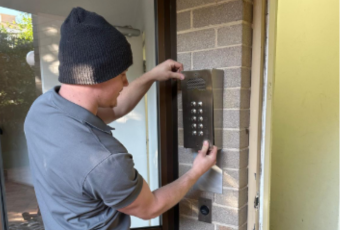
Security
Integrated security solutions, including CCTV, alarms, access control and intercom systems to help protect people, property and assets.
Single-Phase vs Three-Phase Power FAQs
These FAQs answer common questions about single-phase and three-phase electricity in Sydney homes, including induction cooking, EV charging, switchboards and home electrification.
What is the difference between single-phase and three-phase power?
Single-phase electricity uses one active phase, while three-phase electricity distributes power across three phases and can support greater electrical demand.
Is single-phase power enough for a house?
Yes, for many homes. Whether it remains sufficient depends on the property’s overall electrical demand and the major appliances being used.
Do modern homes need three-phase power?
Not automatically. Three-phase becomes more relevant where a home has several high-demand loads or equipment specifically designed for a three-phase supply.
How do I know if my home has single-phase or three-phase power?
A licensed electrician can confirm the property’s supply configuration by inspecting the electrical installation and switchboard.
Do I need three-phase power for induction cooking?
Not always. Some induction cooktops can operate with single-phase electricity but may require a dedicated high-power circuit and potentially switchboard work.
Do I need three-phase power for an EV charger?
No. Many home EV chargers can operate using suitable single-phase electricity. Higher charging capacities such as 11kW or 22kW can make three-phase power more relevant.
Do I need three-phase power for ducted air conditioning?
Not always. It depends on the specific system and the home’s available electrical capacity.
Do solar panels require three-phase power?
No. Solar systems can be installed on single-phase and three-phase homes, although the electrical supply can influence system design and connection requirements.
QDoes a home battery require three-phase power?
Not necessarily. Battery requirements depend on the product, inverter and electrical system.
Is three-phase power better for an all-electric home?
It can provide greater flexibility where several large electrical loads operate within the property, but the home’s actual demand should be assessed before upgrading.
Can I change my house from single-phase to three-phase power?
Potentially, yes. The upgrade may involve switchboard, metering, consumer mains and electricity-network connection work.
Does installing a new switchboard automatically give me three-phase power?
No. A switchboard upgrade and an upgrade to the property’s electricity supply are separate projects.
Do I need a new switchboard when upgrading to three-phase?
Switchboard work is commonly required, but the exact scope depends on the condition and configuration of the existing board.
Can an old house have three-phase power?
Yes. The age of the home does not determine its supply configuration. However, older switchboards and wiring should be assessed when planning significant electrical upgrades.
Is three-phase power worth upgrading for one appliance?
Not always. If the appliance can operate effectively on the existing supply, upgrading the whole property solely for that appliance may not provide much benefit. The total current and future electrical requirements should be considered.
Who can assess whether my Sydney home needs three-phase power?
A licensed electrician can assess the existing supply, switchboard, major electrical loads and planned upgrades. MPV Group provides electrical upgrades across Sydney for residential properties requiring additional capacity, circuits or modernisation.



MPV Solar is committed to providing industry-leading solar energy solutions across Sydney, backed by a proven track record of successfully completing over 5,000 projects. As a family-owned business, we prioritise personalised service and truly value our clients, ensuring that each system is tailored to meet your unique energy needs.
Copyright 2026. All Rights Reserved.
Created by Codex Digital and Yakka Consulting
Get in Touch
MPV Solar
Unit 3, 43-51 College St,
Gladesville NSW 2111
info@mpvgroup.com.au
(02) 9817 0333
Monday – Friday
8:30 – 5:00pm