


 Call Us

Do You Need Three-Phase Power for an EV Charger?
No. Most homeowners do not automatically need three-phase power to install an EV charger.
A suitable single-phase electrical supply can commonly support a home EV charger at around 7kW, which can provide practical overnight charging for many households.
Three-phase power becomes more relevant if you want higher AC charging speeds such as 11kW or 22kW, have greater electrical demand or are planning for multiple EVs.
But there is an important catch. Your car must also be able to accept the higher AC charging rate.
Before upgrading your home’s electrical supply, it makes sense to assess the car, charger and house together.
If you’re at the beginning of the process, start with our guide to what electrical work is needed to install an EV charger at home.
What Is Single-Phase EV Charging?
Single-phase power is commonly used in Sydney homes and can support a dedicated home EV charger. A typical single-phase home charger can provide around 7kW of AC charging power, depending on the property, charger and electrical installation.
For many EV owners, that can provide plenty of charging while the vehicle is parked overnight. If you arrive home in the evening and the car remains parked until morning, outright maximum charger speed may be far less important than it first appears.
What Is Three-Phase EV Charging?
Three-phase electricity provides greater power capacity across three electrical phases. For home EV charging, this can potentially support chargers operating at around 11kW or 22kW, provided the home’s electrical infrastructure and the vehicle are compatible.
Three-phase charging can be useful where there is: Higher daily driving | Shorter charging windows | Multiple EVs | Greater household electrical demand, However, three-phase power is not automatically the better choice for every homeowner.
Is Three-Phase EV Charging Faster?
Yes, it can be, but only if your EV can use the additional charging capacity. A three-phase 11kW charger can potentially charge faster than a 7kW single-phase charger.
A 22kW charger can provide even greater AC capacity. But the vehicle’s onboard AC charger places its own limit on charging speed.
For example, if your EV can accept a maximum of 11kW AC charging, installing a 22kW wall charger will not make the vehicle charge at 22kW. That is why it is important to check the vehicle specifications before paying for a higher-capacity electrical setup.
Our guide to 7kW, 11kW and 22kW EV chargers explains this in more detail.
Is a 7kW Single-Phase EV Charger Enough?
For many Sydney households, yes. If your EV spends eight or more hours parked at home overnight, a 7kW charger may comfortably replace the energy used during normal daily driving. A 7kW charger can be particularly suitable when you:
- mainly charge overnight
- drive typical daily distances
- have one EV
- already have suitable single-phase electricity
- don’t need rapid turnaround between trips.
The aim is not to install the biggest charger available. It is to install enough charging capacity for the way you actually use the car.
When Does Three-Phase Charging Make More Sense?
Three-phase EV charging becomes more attractive when your charging requirements are higher. For example, you may regularly drive long distances and need to recharge quickly before the next trip.
You may also be planning for two EVs, have significant household electrical loads or already have three-phase power available at the property.
If your home already has suitable three-phase supply, an electrician can assess whether taking advantage of it makes sense for your EV. If it does not, upgrading solely for an EV charger should be considered carefully rather than assumed to be necessary.
Do You Need Three-Phase Power for a 22kW EV Charger?
To achieve the full 22kW AC charging output, a suitable three-phase electrical supply is generally required.
However, the charger and vehicle both need to support that charging arrangement.
Some charger models may be capable of operating at a lower output when installed on a different supply configuration, while others have specific requirements.
That is why charger selection should come after assessing the property. MPV Group can assess the electrical supply as part of a professional EV charger installation in Sydney.
What About an 11kW EV Charger?
An 11kW charger typically uses three-phase electricity but at a lower output than a 22kW charger.
For some EVs, 11kW is also the maximum AC charging rate the vehicle can accept, making it a useful middle ground where suitable three-phase power is already available.
Again, the best choice depends on both sides of the connection: What can the house supply? and What can the EV accept?
There is little benefit in installing charging capacity the vehicle cannot use.
Will You Need a Switchboard Upgrade?
Not necessarily. Whether your home is single-phase or three-phase is only one part of the assessment.
The electrician also needs to consider the condition of the switchboard, available capacity, existing electrical demand and space for the new EV charging circuit. A modern, suitable switchboard may already be capable of supporting the installation.
An older or overcrowded board may require additional work. Read our guide to whether you need a switchboard upgrade for an EV charger before assuming a replacement is required.
MPV Group also provides broader switchboard upgrades across Sydney where existing electrical infrastructure needs modernising.
How Do You Know if Your Home Has Single-Phase or Three-Phase Power?
The safest way to confirm your electrical supply is to have it checked by a licensed electrician.
There can sometimes be clues at the switchboard, but homeowners should not open electrical equipment or rely solely on appearances.
If you’re buying an EV, a switchboard photo can still be a useful starting point.
Send MPV Group a clear photo of your switchboard and tell us which EV you’re buying.
We can help determine what needs to be assessed before choosing the charger.
Should You Upgrade From Single Phase to Three Phase for an EV?
Not automatically. If a 7kW single-phase charger can replenish your normal daily driving overnight, upgrading the property’s entire supply simply to access faster charging may offer little practical benefit.
Three-phase may become more worthwhile when your household has broader electrical requirements such as:
Multiple EVs | Large air conditioning | Electric hot water | Induction cooking | Solar and battery systems | Other high-power equipment
This is where looking at the home’s future electrical requirements becomes important. If additional household capacity is required, learn more about electrical upgrades in Sydney.
Does Three-Phase Power Make EV Charger Installation More Expensive?
It can, particularly if the home does not already have a suitable three-phase supply. The final installation cost depends on the existing electrical system, switchboard, charger, cable route and any supply changes required.
If your home already has appropriate three-phase power, the difference may be much smaller.
Before choosing a charger based on power rating alone, see our guide to home EV charger installation costs in Sydney.
Is Three-Phase Better if You Have Two EVs?
It can be useful, but two EVs do not automatically mean you need three-phase power. Most vehicles spend many hours parked at home, so two cars may not need to charge at full power simultaneously.
Depending on the household, the better solution could involve: Power sharing | Scheduled charging | Load management | Staggered charging
Planning for the second EV before installing the first charger can help determine whether additional electrical capacity is genuinely worthwhile.
What About Solar and Three-Phase EV Charging?
Solar can be an important consideration, but having solar does not automatically mean you need three-phase EV charging.
Your solar generation, inverter configuration, household consumption, EV charging times and charger features all influence how effectively solar can be used for vehicle charging.
For the solar side of the equation, MPV Solar explains how to charge an EV with solar panels in Sydney.
MPV Group can manage the EV charger and supporting electrical infrastructure, while MPV Solar can assess solar, battery storage and system expansion.
Single-Phase Charger or Three-Phase Charger: Which Should You Choose?
For many homeowners, the answer is simpler than expected.
Choose based on the car: Check the EV’s maximum AC charging rate.
Choose based on the house: Confirm whether you have single-phase or three-phase power and how much electrical capacity is available.
Choose based on your driving:Consider how much energy you actually need to replace each night.
Think about the future: A second EV, solar, battery storage and further home electrification may change what makes sense long term.
The best EV charger is not necessarily the most powerful one. It is the charger that matches your vehicle, property and actual charging requirements.
Buying an EV? Start With the House.
Before paying for three-phase power or buying a 22kW charger, determine what your EV and home can actually use. Your charging setup needs to work as a system: Electrical supply → Switchboard → Dedicated circuit → Charger → Vehicle
MPV Group provides home EV charger installation across Sydney and can assess your electrical supply, switchboard, charging requirements and future plans before recommending the right setup.
Not sure whether you need single-phase or three-phase charging?
Send us a photo of your switchboard and tell us which EV you’re buying. We’ll help you understand what your home actually needs.
1 Company – 3 Integrated Services
Complete Electrical, Solar and Security Solutions Across Sydney

Electrical
Licensed electrical services across Sydney, including upgrades, fault finding, switchboards, lighting, maintenance and complete electrical solutions.
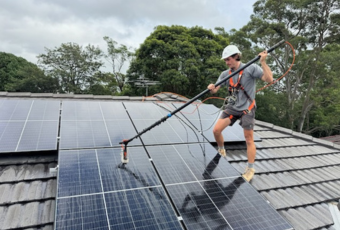
Solar
Reliable solar and battery systems designed to reduce energy costs, improve efficiency and support smarter long-term energy use.
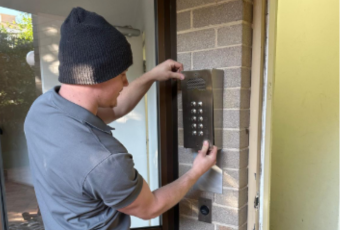
Security
Integrated security solutions, including CCTV, alarms, access control and intercom systems to help protect people, property and assets.
Single-Phase vs Three-Phase EV Charging FAQs
These FAQs answer common questions about single-phase and three-phase home EV charging, including 7kW, 11kW and 22kW chargers, switchboards and electrical supply requirements
Do I need three-phase power for an EV charger?
No. Many homes can install a suitable 7kW EV charger using single-phase electricity. Three-phase power becomes more relevant for higher AC charging rates such as 11kW or 22kW.
Can you install a 7kW EV charger on single-phase power?
Yes. A 7kW-class home EV charger is commonly used with suitable single-phase electricity and can provide practical overnight charging for many households.
Does an 11kW EV charger need three-phase power?
An 11kW AC charger generally uses a suitable three-phase electrical supply. The vehicle also needs to support 11kW AC charging to take advantage of the full output.
Does a 22kW EV charger need three-phase power?
To deliver its full 22kW AC output, a charger generally requires suitable three-phase electricity. The vehicle must also support that AC charging rate.
Will a 22kW charger charge every EV faster?
No. The vehicle’s onboard AC charger limits the maximum AC charging rate it can accept. A 22kW wall charger will not make a vehicle with a lower AC limit charge at 22kW.
Is a 7kW charger enough for overnight EV charging?
For many drivers, yes. If the vehicle is parked for several hours overnight, a 7kW charger can replace a substantial amount of energy before morning.
Is three-phase EV charging worth it?
It depends on your driving, vehicle, existing electrical supply and future household requirements. If 7kW overnight charging already meets your needs, upgrading solely for faster EV charging may not be necessary.
How can I tell if my house has single-phase or three-phase power?
A licensed electrician can confirm the supply configuration. A switchboard inspection is also useful when assessing whether the property can support a proposed EV charger.
Will I need a new switchboard for three-phase EV charging?
Not necessarily. The existing switchboard, supply capacity and electrical installation need to be assessed before determining whether modifications or an upgrade are required.
Can I have three-phase power but install a 7kW charger?
Yes. Having three-phase electricity does not mean you must install an 11kW or 22kW charger. A lower-capacity charger may still be the right choice for your vehicle and driving requirements
Is single-phase EV charging cheaper to install?
It can be, particularly where the property already has a suitable single-phase supply and no major electrical upgrades are needed. Installation costs still depend on the switchboard, cable route and charger requirements.
Do I need three-phase power if I have two EVs?
Not necessarily. Two vehicles may be able to use scheduled charging, power sharing or load management rather than charging simultaneously at maximum power. The property’s overall electrical capacity should be assessed first.
Should I upgrade to three-phase before buying an EV charger?
Usually, assess the property and vehicle first. There is little benefit in upgrading solely for faster charging if your EV cannot use the additional capacity or 7kW overnight charging already meets your needs.
Blog
Related articles
Catch up on the latest MPV Group electrical, solar and security news and insights.



MPV Solar is committed to providing industry-leading solar energy solutions across Sydney, backed by a proven track record of successfully completing over 5,000 projects. As a family-owned business, we prioritise personalised service and truly value our clients, ensuring that each system is tailored to meet your unique energy needs.
Copyright 2026. All Rights Reserved.
Created by Codex Digital and Yakka Consulting
Get in Touch
MPV Solar
Unit 3, 43-51 College St,
Gladesville NSW 2111
info@mpvgroup.com.au
(02) 9817 0333
Monday – Friday
8:30 – 5:00pm