


 Call Us

Do I Need a Partial Rewire or a Full House Rewire?
You do not automatically need to rewire your entire home just because some of the electrical wiring is old.
A partial rewire may be suitable where ageing, damaged or unsuitable wiring is limited to particular circuits, rooms or sections of the property.
A full house rewire may be more appropriate where problems are widespread or the existing wiring is no longer suitable for continued use across much of the home.
The correct starting point is therefore: Inspect → Test → Identify what can remain → Replace what actually needs replacing
If you’re still at the earlier stage of asking whether the property needs rewiring at all, start with Does My Sydney Home Need Rewiring?.
What We Commonly See in Older Sydney Homes
Older Sydney homes often contain several generations of electrical work rather than one uniform wiring system.
A property may have original wiring in bedrooms, newer wiring in a renovated kitchen, a more recent rear extension and separate circuits installed later for air conditioning or appliances.
This is particularly common in older Sydney terraces, semis, Federation homes, bungalows and properties that have been renovated gradually over many years.
MPV Group has worked on Sydney homes since 1992, and the appropriate solution is not automatically a full rewire simply because part of a home’s electrical system is older.
The existing installation should first be inspected and tested so the electrician can determine:
- What is suitable to remain
- What requires repair
- What needs replacing
- Whether broader electrical upgrades are also worthwhile
That approach can prevent homeowners from replacing electrical infrastructure unnecessarily while ensuring genuine problems are properly addressed.
Why We Don’t Recommend Rewiring Based on Age Alone
The age of a house does not tell an electrician whether every electrical circuit needs replacing.
Age can indicate that older electrical infrastructure may be present, but the rewiring decision should consider:
- Wiring type
- Physical condition
- Electrical test results
- Previous renovations
- Existing circuit configuration
- Switchboard condition
- Current and future electrical demand
Two Sydney homes built in the same decade can have completely different electrical systems because one may have undergone several professional upgrades while the other has changed very little.
For homes with an unknown electrical history, an Electrical Safety Inspection for Older Sydney Homes is a much better starting point than assuming the whole property needs rewiring.
What Is a Partial House Rewire?
A partial rewire involves replacing electrical wiring in selected circuits or parts of the property while suitable existing wiring remains in service.
For example, an electrician might identify an issue affecting:
- One lighting circuit
- Several older power circuits
- The original front section of a home
- One level of a property
while newer wiring elsewhere remains suitable.
Partial rewiring can make particular sense in Sydney homes that have been extended or renovated at different times.
The objective is not simply to replace less wiring to save money. It is to retain electrical infrastructure that remains suitable while addressing the sections that genuinely require upgrading.
What Is a Full House Rewire?
A full house rewire involves replacing most or all of the fixed electrical wiring throughout the property.
Depending on the home, that can include wiring supplying:
- Lighting
- Power points
- Switches
- Dedicated appliance circuits
- Major electrical equipment
A full rewire is a substantially larger project than replacing a damaged circuit or upgrading a switchboard.
It may be appropriate where deterioration or unsuitable wiring is widespread throughout the property.
MPV Group’s Electrical Upgrades Sydney service covers wiring, circuits, switchboards and broader electrical-capacity upgrades where a home’s existing electrical system requires modernisation.
When Is a Partial Rewire Enough?
A partial rewire can be appropriate when the problem is clearly limited to particular circuits or areas and the wiring elsewhere remains suitable.
For example, an older home may have:
- Original front section → Older wiring
- Renovated rear extension → Newer wiring
There may be little benefit in replacing the newer installation simply because the original section requires work.
Similarly, testing may identify an issue on one group of circuits while the rest of the electrical installation performs correctly.
This is where a property-specific assessment matters.
When Is a Full House Rewire More Appropriate?
A full house rewire may make more sense when unsuitable or deteriorated wiring is found across a significant part of the property. An electrician may consider a more extensive rewire where there are:
- Widespread wiring problems
- Multiple affected circuits
- Significant deterioration
- Extensive previous electrical alterations
- A major renovation exposing most of the property
Again, the recommendation should come from inspection and testing rather than simply saying: “It’s an old house, so everything needs replacing.”
Can Old and New Wiring Exist in the Same House?
Yes. This is extremely common in older Sydney properties. A typical home might contain:
- Original circuits from an earlier installation
- A kitchen rewired during renovation
- A newer rear extension
- A dedicated air-conditioning circuit
- A more recent switchboard
Different ages of wiring can coexist within one property provided the parts remaining in service are suitable.
This is one reason a partial rewire can sometimes be entirely appropriate.
Can You Rewire Only Part of a House?
Yes, where the electrical installation allows the affected circuits or sections to be separated appropriately.
The electrician first needs to understand how the home’s circuits are configured. Electrical circuits do not necessarily follow room boundaries.
A single power circuit might supply outlets across several rooms, while lighting circuits may run through different sections of the house. So asking to “rewire one bedroom” may actually involve assessing wiring extending beyond that room.
Can You Rewire Half a House?
Potentially, yes. This is particularly relevant where a property consists of an older original home and a newer extension.
If one section has already been professionally rewired and remains suitable, it may not need replacing simply because another part of the property does.
The important part is ensuring the complete electrical system still works safely and correctly as one installation.
Is a Partial Rewire Safe?
Yes, where it is properly designed and the wiring being retained has been assessed as suitable.
A partial rewire should not mean: Replace whatever wiring is easiest to reach and ignore everything else.
The electrician should understand the entire relevant installation before deciding what remains and what gets replaced.
That is why MPV’s preferred approach is: Assess first → Define the scope → Then rewire rather than deciding the scope before testing.
Does Old Wiring Automatically Mean a Full Rewire?
No. Some older Sydney homes have already undergone substantial electrical upgrades. Others may contain original wiring alongside newer circuits.
The condition of the installation matters more than the age of the building alone.
Our broader guide, Does My Sydney Home Need Rewiring?, explains the progression from: Local repair → New circuit → Partial rewire → Full rewire
Does an Old Switchboard Mean the House Needs Rewiring?
No. An older switchboard and older house wiring are related but separate issues.
A home could have:
Old switchboard + suitable circuits
Modern switchboard + older wiring
Older switchboard + older wiring
The condition of each needs to be assessed separately.
If the home still contains ceramic fuses, see Ceramic Fuse Box vs Modern Switchboard.
Where the board itself needs modernising, MPV Group provides Switchboard Upgrades Sydney.
Can I Upgrade My Switchboard Without Rewiring the House?
Often, yes. A switchboard upgrade does not automatically mean every circuit in the property needs replacing.
The existing circuits should be assessed to determine whether they are suitable to connect to the new board.
Likewise, a modern switchboard does not magically fix deteriorated wiring elsewhere in the property.
These are different parts of the same electrical system.
If you’re budgeting for the board itself, see How Much Does a Switchboard Upgrade Cost in Sydney?.
Is Renovation the Best Time to Rewire?
If wiring needs replacement, renovation can be an excellent time to do it.
Walls or ceilings may already be open.
Cabinetry may be removed.
Cable routes may be easier to access.
Rather than disturbing newly finished surfaces later, you can assess older wiring while access is available.
MPV’s guide to Electrical Upgrades When Renovating an Older Sydney Home covers switchboards, wiring, lighting, power points and electrical-capacity planning during renovation.
Should I Rewire Before Renovating a Kitchen?
Have the electrical system assessed before finalising the kitchen design. A modern kitchen can create substantially different electrical requirements through:
- Induction cooking
- Electric ovens
- Dishwasher
- Microwave
- Additional bench power
- Other fixed appliances
The existing circuits may be perfectly suitable, or dedicated new circuits may be required. If you’re moving from gas to induction, see Induction Cooktop Electrical Requirements.
A kitchen renovation does not automatically require a house rewire. It simply creates a good opportunity to address wiring that already needs attention.
Do I Need a Rewire Before Installing an EV Charger?
No. An EV charger does not automatically mean your home needs rewiring. A home charger generally requires a properly designed dedicated circuit. The electrician should also assess:
- Switchboard capacity
- Existing household loads
- Available supply
- Charger requirements
For the full checklist, see What Electrical Work Is Needed for a Home EV Charger?.
If the house’s existing wiring remains suitable, there is no reason to replace it simply because an EV charger is being installed.
What About Induction Cooking and Air Conditioning?
The same principle applies. Adding new electrical equipment does not automatically require the entire house to be rewired.
The electrician should determine whether the property has:
- Suitable existing wiring
- The required dedicated circuits
- Enough switchboard capacity
- Enough overall electrical capacity
For specific guidance, see Induction Cooktop Electrical Requirements and Air Conditioner Electrical Requirements.
Does an Overloaded Electrical System Mean I Need Rewiring?
Not necessarily. Electrical overload and deteriorated wiring are different issues.
A home might have wiring that remains in suitable condition but no longer have enough circuits or capacity for modern electrical demand.
The solution might involve:
- Additional circuits
- Load redistribution
- Switchboard work
- Load management
- Electrical supply upgrades
rather than rewiring the whole house.
See Signs Your Home’s Electrical System Is Overloaded for the difference between circuit overload and broader electrical-capacity problems.
What if My Circuit Breakers Keep Tripping?
Repeated breaker tripping does not prove that your house needs rewiring. Possible causes include:
- Circuit overload
- Faulty appliance
- Short circuit
- Moisture
- Wiring fault
- Switchboard issue
The underlying cause should be diagnosed first. Our guide to Circuit Breaker Keeps Tripping covers the most common causes.
Where the problem remains unexplained, MPV Group provides Electrical Fault Finding Sydney to identify whether the problem is localised or part of a broader wiring issue.
What if Power Points Are Hot, Buzzing or Sparking?
A faulty power point does not automatically mean the whole house needs rewiring. The issue could involve:
- The outlet
- A loose connection
- One circuit
or a wider wiring problem.
See Why Is My Power Point Sparking, Buzzing or Getting Hot? for the warning signs. If similar problems are appearing across several circuits, broader electrical testing becomes more important.
What if I Can Smell Burning?
An electrical burning smell should be investigated promptly. The source may be localised to an appliance, outlet, switchboard component or electrical connection.
It does not automatically mean the entire house requires rewiring. See Burning Smell From a Switchboard or Power Point for what to do. If there is visible smoke, fire or an immediate electrical danger, move to safety and call 000.
Can Electrical Fault Finding Tell Me Whether I Need a Rewire?
Yes. This is one of the most important reasons to diagnose electrical problems before determining the scope of rewiring. Testing might identify:
- One poor connection
- One faulty circuit
- A local section of damaged wiring or
- Problems across numerous circuits
Those outcomes require very different solutions. MPV Group’s Electrical Fault Finding Sydney service can help establish where the fault is occurring before larger electrical work is recommended.
Is a Partial Rewire Cheaper Than a Full Rewire?
Usually, replacing fewer circuits means a smaller overall scope, but access and construction can make a significant difference to cost.
A difficult partial rewire inside a finished double-brick property may still involve considerable labour. A larger rewire completed while a home is undergoing renovation may provide significantly easier access. Factors affecting cost include:
- Size of property
- Number of circuits
- Access
- Wall and ceiling construction
- Existing wiring
- Switchboard requirements
- Number of outlets and fittings
- Whether the property is occupied
The correct scope should come first. Price comes after.
How Much Does a Full House Rewire Cost in Sydney?
There is no single meaningful price that applies to every Sydney home.
A single-storey property with roof and underfloor access can be very different from a multi-storey double-brick home. The number of circuits, outlets, lighting points and major appliances also changes the scope considerably.
A property assessment is therefore the best way to establish: What needs replacing and How difficult it will be to replace it.
Just as importantly, the assessment may show that a full rewire isn’t necessary at all.
How Disruptive Is a Full House Rewire?
A full rewire can be disruptive because electrical cables run throughout the building. Access may be required through:
- Roof spaces
- Wall cavities
- Floors
- Existing electrical fittings
How disruptive it becomes depends heavily on the construction of the property.
Planning should consider: Access → Work stages → Power interruptions → Other trades → Final finishes before work starts.
Can I Live in My House During a Full Rewire?
Sometimes. Some projects can be staged so parts of the home remain operational while electrical work continues elsewhere.For larger projects, particularly where a property is also being renovated, temporarily moving out may be more practical.
The scope should make clear:
- Which sections lose power
- How the rewire will be staged
- What access is required
- How long interruptions are expected
before work begins.
Can a House Rewire Be Completed in Stages?
Potentially, yes. A staged rewire can make sense where circuits and areas of the property can be logically separated.
For example:
Stage 1 → Renovation area
Stage 2 → Original bedrooms
Stage 3 → Remaining older circuits
But the entire electrical plan should ideally be developed before the stages begin. Otherwise, repeated isolated upgrades can leave a property with an unnecessarily complicated electrical system.
Should I Rewire Before Moving Into an Older Sydney Home?
It can be worth having the electrical system assessed before moving in, particularly if renovation work is already planned. This gives you an opportunity to understand:
- What has previously been upgraded
- What remains older
- What needs attention now
- What can remain
- What future electrical loads are coming
If substantial work is required, completing it before furniture and finishes are in place may reduce disruption.
Does Rewiring Increase My Home’s Electrical Capacity?
Not necessarily.
Replacing deteriorated wiring can modernise the circuits, but the home’s total electrical capacity can also depend on:
- Switchboard
- Consumer mains
- Single-phase or three-phase supply
- Circuit configuration
- Major household loads
If the real problem is electrical capacity rather than deteriorated wiring, Electrical Upgrades Sydney is the more relevant service.
Do I Need Three-Phase Power When Rewiring?
No. Rewiring and changing to three-phase power are separate decisions.
Three-phase power may become relevant where the home has or plans to add substantial electrical loads such as:
- EV charging
- Induction
- Large air conditioning
- Electric hot water
But old wiring alone does not mean three-phase is required.
See Single-Phase vs Three-Phase Power for a Sydney Home for the whole-home capacity decision.
Do I Need New Consumer Mains When Rewiring?
Not automatically. Consumer mains feed electricity to the main switchboard, while internal circuits distribute it throughout the property.
One can require upgrading without the other.
If broader household electrical capacity is being increased, see Do I Need to Upgrade My Consumer Mains?.
That article explains the distinction between: Consumer mains → Switchboard → Internal circuits
Should I Partial or Fully Rewire During a Renovation?
Use the renovation as an opportunity to assess everything, then replace only what should genuinely be replaced. If older wiring is confined to the section being renovated, a partial rewire may be appropriate.
If inspection and testing identify similar deterioration throughout the property, addressing more of it while walls and ceilings are open may be more practical. The decision should consider:
Electrical condition today and What the finished home needs tomorrow.
That includes planned induction cooking, air conditioning, EV charging, solar and battery storage.
Partial Rewire vs Full Rewire: How Does an Electrician Decide?
A good rewiring assessment should answer several questions.
What Wiring Is Installed? Different sections of an older Sydney home may contain electrical wiring installed decades apart.
What Condition Is the Wiring In? Age alone is not enough. Physical condition and electrical testing matter.
How Widespread Is the Problem? One affected circuit points towards a very different solution from similar problems across much of the property.
What Work Has Already Been Completed? Previous renovations may mean large parts of the home’s wiring have already been modernised.
What Is the Switchboard Like? The board, protective devices and existing circuits need to function as one system.
What Will the Home Need in the Future? Renovations, induction, air conditioning, electric hot water and EV charging can change the electrical requirements even where existing wiring remains serviceable.
This is why the correct methodology is: Inspect → Test → Diagnose → Scope rather than: Old home → Full rewire.
What Is the Best First Step if I Think My House Needs Rewiring?
Start by finding out what electrical system you actually have. For an older home with an unknown electrical history, begin with an Electrical Safety Inspection for Older Sydney Homes.
If the property already has faults, Electrical Fault Finding Sydney may also be required.
From there, the recommendation could be: Local repair → New dedicated circuit → Partial rewire → Full rewire
If the home is also being modernised with new appliances or electrification, MPV Group’s Electrical Upgrades Sydney service can assess the switchboard, circuits and wider electrical capacity at the same time.
Don’t Rewire More of the House Than You Need To
An older Sydney home does not automatically need every electrical cable removed and replaced.
The better approach is to determine: What can remain → What needs replacing → How widespread the problem is → What the home needs next
For one property, the answer may be a single new circuit. For another, a partial rewire.
For a property where ageing or unsuitable electrical wiring is widespread, a full rewire may be the more practical long-term solution.
MPV Group provides Residential Electrical Services Sydney, including electrical inspections, fault finding, rewiring, switchboard upgrades and broader electrical-system improvements.
Not sure whether your Sydney home needs a partial or full rewire? Have the existing electrical system inspected and tested first so the scope is based on what the property actually needs.
1 Company – 3 Integrated Services
Complete Electrical, Solar and Security Solutions Across Sydney

Electrical
Licensed electrical services across Sydney, including upgrades, fault finding, switchboards, lighting, maintenance and complete electrical solutions.

Solar
Reliable solar and battery systems designed to reduce energy costs, improve efficiency and support smarter long-term energy use.
Security
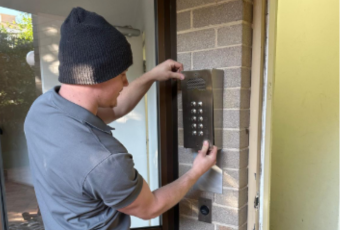
Integrated security solutions, including CCTV, alarms, access control and intercom systems to help protect people, property and assets.
Partial Rewire vs Full House Rewire FAQs
These FAQs answer common SEO and AI-search questions about partial rewiring, full house rewiring, old electrical wiring and how Sydney homeowners can determine how much of their home’s electrical system actually needs replacing.
Can you rewire only part of a house?
Yes. A partial rewire can be suitable where outdated or damaged wiring is limited to particular circuits or areas and the remaining wiring is suitable for continued use.
When does a house need a full rewire?
A full rewire may be appropriate where ageing, deteriorated or unsuitable wiring is widespread across the property or electrical testing identifies problems across multiple circuits.
How do I know if my house needs rewiring?
A licensed electrician can inspect and test the wiring, switchboard and circuits to determine whether the problem requires a local repair, partial rewire or full house rewire.
What is the difference between a partial rewire and a full rewire?
A partial rewire replaces selected circuits or sections of wiring. A full rewire replaces most or all of the fixed electrical wiring throughout the property.
Does an old house automatically need rewiring?
No. An older home’s age alone does not determine whether it needs rewiring. The wiring type, condition, previous upgrades and electrical test results are more important.
Can old and new electrical wiring exist in the same house?
Yes. This is common in older Sydney homes that have been renovated or extended in stages. Older wiring can remain where it has been assessed as suitable.
Is it better to rewire a house during a renovation?
Often, yes, if the wiring already needs replacing. Open walls and ceilings can make access easier and allow new circuits to be planned around the finished renovation.
Does an old switchboard mean my house needs rewiring?
No. A switchboard upgrade and house rewiring are separate issues. An older switchboard can require replacement while much of the existing wiring remains suitable.
Does frequent circuit tripping mean my house needs rewiring?
Not necessarily. Tripping can also be caused by circuit overload, faulty appliances or other electrical faults. The cause should be diagnosed before rewiring is recommended.
Is a partial rewire cheaper than a full house rewire?
Usually, yes, because less wiring is being replaced, but the final cost also depends on access, construction, number of circuits and the complexity of the work.



MPV Solar is committed to providing industry-leading solar energy solutions across Sydney, backed by a proven track record of successfully completing over 5,000 projects. As a family-owned business, we prioritise personalised service and truly value our clients, ensuring that each system is tailored to meet your unique energy needs.
Copyright 2026. All Rights Reserved.
Created by Codex Digital and Yakka Consulting
Get in Touch
MPV Solar
Unit 3, 43-51 College St,
Gladesville NSW 2111
info@mpvgroup.com.au
(02) 9817 0333
Monday – Friday
8:30 – 5:00pm