


 Call Us

Buying an EV? Don’t Choose the Charger First. Start With the House.
When buying an EV, it is easy to focus on the car and charger first. But before choosing a charger, it is worth checking whether your home’s electrical system is ready for the additional load.
A home EV charger may require a dedicated circuit, suitable switchboard capacity, appropriate cabling and electrical protection. Depending on the property, load management, switchboard work or additional electrical upgrades may also be required.
That is why MPV Group recommends starting with the house rather than the charger.
If you’re ready to install, learn more about EV charger installation in Sydney. EV Charger Installation Sydney Buying an EV?
Send us a photo of your switchboard and tell us which EV you’re buying.
What Electrical Work Does a Home EV Charger Need?
A fixed home EV charger will generally need its own dedicated electrical circuit and appropriate protection.
Before installation, a licensed electrician should also assess your switchboard, available electrical capacity, electricity supply, charger location and proposed charging speed.
Your existing solar, battery system and future plans, such as adding a second EV, may also influence the best setup. The key point is that not every home needs a major upgrade. The electrical system should be assessed first.
Start With These Six Things
Before choosing an EV charger, consider:
Electrical supply | Switchboard | Charging speed | Cable route | Solar + battery | Future second EV
Together, these factors determine what type of home EV charging setup will work best.
1. Can Your Home’s Electrical Supply Handle an EV Charger?
An EV charger becomes another significant electrical load within the home. It needs to operate alongside air conditioning, cooking appliances, hot water and everything else already using electricity.
The important question is not simply whether a charger can be connected. It is whether the home’s electrical system can safely support the charger while the rest of the property is operating.
A licensed electrician can assess the available capacity before recommending the appropriate charger size or charging strategy.
If your home needs additional capacity, learn more about electrical upgrades in Sydney, including circuit and load upgrades for higher power demands. Electrical Upgrades Sydney
2. Does Your Switchboard Need to Be Upgraded?
A modern switchboard with enough capacity and space for the EV charging circuit may already be suitable. However, older, overcrowded or outdated switchboards may require work before a charger can be installed.
The arrival of an EV is also a good time to think about what else may be coming next, such as a battery, induction cooking, electric hot water or a second EV.
For a detailed EV-specific guide, read Do I Need a Switchboard Upgrade for an EV Charger? EV Charger Switchboard Upgrade Sydney
If your switchboard needs broader replacement or modernisation, MPV Group also provides switchboard upgrades across Sydney. Switchboard Upgrades Sydney
3. Does an EV Charger Need a Dedicated Circuit?
A fixed home EV charger will generally require a dedicated electrical circuit.
That means the charger has its own circuit back to the switchboard rather than sharing an existing general-purpose circuit.
The electrician will determine the correct cabling, circuit protection and electrical requirements based on the charger, installation location and property.
This is one of the main differences between a professionally installed EV charger and simply plugging a vehicle into an existing outlet.
4. Single Phase or Three Phase?
You do not automatically need three-phase power to install an EV charger.
For many Sydney homes, a 7kW single-phase charger can provide substantial overnight charging. Three-phase power may allow higher AC charging speeds such as 11kW or 22kW, but the vehicle also needs to support that charging rate.
Installing a larger charger does not automatically mean faster charging.
The best charger size depends on the car, the house and how quickly you actually need to recharge.
Read What Size EV Charger Can My Home Handle? 7kW, 11kW & 22kW Explained for a deeper comparison. What Size EV Charger Can My Home Handle?
5. Can Load Management Help?
Potentially. Dynamic load management can adjust EV charging according to how much electricity the rest of the home is using.
For example, if the oven, air conditioning and hot water system are all operating, the charger may temporarily reduce its demand. When household demand falls, more power can become available for charging.
This can help some homes make better use of their available electrical capacity.
However, load management does not replace necessary electrical or switchboard upgrades where the existing system is unsuitable.
6. Does the Charger Location Matter?
Yes. The cable route can have a major impact on the installation. A charger mounted close to the switchboard may be relatively straightforward.
A charger located in a detached garage, carport or on the opposite side of the property may require longer cable runs, conduit, trenching or additional electrical work.
This is one reason EV charger installation prices can vary significantly between homes even when the same charger is being installed.
For a property-wide electrical assessment, you can also link users through to MPV Group’s residential electrical services in Sydney. Residential Electrical Services Sydney
What Size EV Charger Should You Install?
For most homeowners, the choice comes down to 7kW, 11kW or 22kW charging.
But bigger is not always better.
The right charger depends on how quickly your vehicle can charge, how far you drive each day, whether your home has single or three-phase electricity and how long the vehicle is normally parked.
For many households, a 7kW charger can provide practical overnight home charging.
For more detail, see What Size EV Charger Can My Home Handle? 7kW, 11kW & 22kW EV Charger Guide
Can You Charge an EV From a Normal Power Point?
Some EVs can be charged using a suitable portable charging cable connected to a standard household power point.
This is much slower than a dedicated home EV charger and may not suit drivers who cover longer distances each day.
The condition and suitability of the existing electrical circuit also matters because EV charging can place a sustained load on the outlet for many hours.
For regular home charging, it is worth having the electrical setup assessed rather than assuming an existing garage power point is suitable.
What If You Already Have Solar or a Battery?
An EV can become one of the larger electricity users in the home.
If you already have solar, charging during the day may allow you to use more of your own solar generation. Smart charging and battery storage may also help optimise when the vehicle charges.
This is where MPV’s combined capability is useful.
MPV Group can manage the EV charger and supporting electrical infrastructure, while MPV Solar can help with solar generation, battery storage and system expansion.
What If You’re Planning a Second EV?
It is worth mentioning this before installing the first charger. Two EVs do not necessarily require two large chargers running at maximum power at the same time.
Depending on the property, power sharing, load management, scheduled charging or preparing additional cabling now may be a better approach. Planning ahead can make adding the second EV much easier later.
What Can Affect EV Charger Installation Cost?
The charger itself is only one part of the installation cost. The final price can also be affected by the switchboard condition, charger size, cable distance, installation route, load management and whether additional electrical work is required. This is why EV charger installation prices can differ significantly between properties.
What Should You Send MPV Before Getting a Quote?
Getting started can be simple. Send MPV Group your:
EV make and model
Tell us what you own, have ordered or are considering.
Switchboard photo
This helps us get an initial view of the existing electrical setup.
Proposed charger location
Show us where your EV will normally be parked.
Solar, battery or future plans
Tell us if you’re considering solar, batteries, another EV or further home electrification.
This helps us assess the whole home rather than looking at the charger in isolation.
more text here
more text here
Buying an EV? Start With the House.
Your EV charger is only one part of the charging system. Electrical supply → Switchboard → Dedicated circuit → Charger → Vehicle
And increasingly: Solar → Battery → EV → Future home electrification
MPV Group provides professional EV charger installation across Sydney, along with the electrical work needed to support it. EV Charger Installation Sydney
Buying an EV? Don’t choose the charger first. Start with the house.
Send us a photo of your switchboard and tell us which EV you’re buying.
1 Company – 3 Integrated Services
Complete Electrical, Solar and Security Solutions Across Sydney

Electrical
Licensed electrical services across Sydney, including upgrades, fault finding, switchboards, lighting, maintenance and complete electrical solutions.
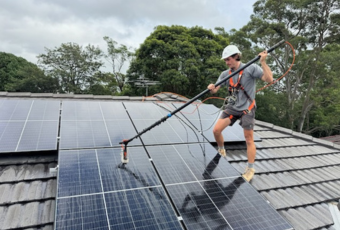
Solar
Reliable solar and battery systems designed to reduce energy costs, improve efficiency and support smarter long-term energy use.
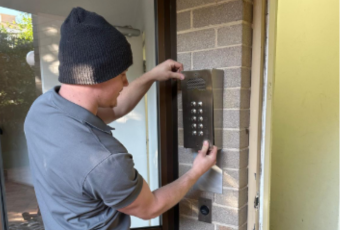
Security
Integrated security solutions, including CCTV, alarms, access control and intercom systems to help protect people, property and assets.
EV Charger Electrical Requirements FAQs
These FAQs answer common questions Sydney homeowners ask about switchboards, dedicated circuits, electrical capacity, charger power and the electrical work required before installing an EV charger.
What electrical work is needed for a home EV charger?
A fixed home EV charger will generally require a dedicated electrical circuit, correctly selected cabling and electrical protection. An electrician should also assess the home’s switchboard, electrical supply, household demand and charger location before installation.
Do I need a switchboard upgrade to install an EV charger?
Not necessarily. A suitable modern switchboard may already be able to accommodate an EV charging circuit. Older, overcrowded or unsuitable switchboards may require modification or replacement.
Does an EV charger need its own circuit?
A fixed home EV charger will generally require a dedicated electrical circuit designed for the charger and installation conditions.
Can my house handle a 7kW EV charger?
Many Sydney homes can support 7kW EV charging, but the existing electrical supply, switchboard, household demand and proposed installation must still be assessed by a licensed electrician.
Do I need three-phase power for a home EV charger?
No. Many home EV chargers operate using single-phase electricity. Three-phase supply becomes relevant for higher AC charging capacities such as 11kW or 22kW where the property and vehicle support them.
Does a 22kW EV charger require three-phase power?
A 22kW AC charger generally requires suitable three-phase electricity to provide its full rated output. Your EV must also be capable of accepting that charging rate.
Can load management help me install an EV charger without increasing my power supply?
In some homes, yes. Dynamic load management can adjust EV charging based on electricity being used elsewhere in the property. Whether it is appropriate depends on the electrical installation and available capacity.
Can I charge my EV from an ordinary wall socket?
Some EVs can be charged using an appropriate portable charging cable and standard power point. Charging is much slower than a dedicated wall charger, and the circuit and outlet need to be suitable for the sustained electrical load.
Should I install an EV charger before my new car arrives?
Having the property assessed before delivery can be useful because it gives you time to determine the appropriate charger, check the switchboard and electrical supply and complete any electrical work before the vehicle arrives.
Can I install two EV chargers at home?
Potentially. The best solution depends on available electrical capacity, vehicle charging requirements and when the vehicles need to charge. Power sharing, load management and scheduled charging can also be considered.
Can my EV charger work with solar?
Yes. Depending on the charger, solar system and household energy use, EV charging can be configured to take advantage of rooftop solar generation. MPV Solar can assess solar and battery integration while MPV Group manages the EV charger and electrical infrastructure.
Who can install a home EV charger?
A fixed home EV charger must be installed by a suitably licensed electrician. The electrician should assess the charger, switchboard, circuit requirements and electrical supply as part of the installation.
Blog
Related articles
Catch up on the latest MPV Group electrical, solar and security news and insights.



MPV Solar is committed to providing industry-leading solar energy solutions across Sydney, backed by a proven track record of successfully completing over 5,000 projects. As a family-owned business, we prioritise personalised service and truly value our clients, ensuring that each system is tailored to meet your unique energy needs.
Copyright 2026. All Rights Reserved.
Created by Codex Digital and Yakka Consulting
Get in Touch
MPV Solar
Unit 3, 43-51 College St,
Gladesville NSW 2111
info@mpvgroup.com.au
(02) 9817 0333
Monday – Friday
8:30 – 5:00pm