


 Call Us


What Electrical Work Is Needed for EV Charging in a Strata Building?
Installing EV chargers in a Sydney strata building can require much more than simply mounting a charger beside a car space.
Before an apartment EV charger is installed, the building’s electrical capacity, switchboards, cable routes, metering and future EV charging demand should be considered.
For one resident, the electrical work may be relatively straightforward. But once more apartment owners begin buying EVs, charging can quickly become a whole-of-building electrical infrastructure issue.
That is why the best first question is not necessarily, “Which EV charger should we install?”
It is: Can the building’s electrical system support EV charging now and as demand grows?
MPV Group provides EV Charger Installation Sydney alongside broader Strata Services Sydney for apartment buildings and shared properties.
What We Commonly See in Sydney Strata Buildings
Apartment EV charging is very different from installing a charger at a standalone Sydney home.
A house usually has one owner, one main switchboard and a relatively simple cable route. A strata building may have individual apartment meters, shared switchboards, common-property car parks, long cable runs and dozens of residents who could eventually want EV charging.
MPV Group has provided electrical services across Sydney since 1992, and one of the most important considerations with strata EV charging is planning beyond the first charger.
A building may comfortably support one EV charger today, but that does not automatically mean it can support ten or twenty chargers operating at the same time in future.
The electrical strategy should therefore consider both the immediate installation and the building’s longer-term EV charging requirements.
Can I Install an EV Charger in My Sydney Apartment?
Potentially, yes, but the building’s electrical infrastructure and strata requirements need to be considered first.
In many apartment buildings, the car space is located well away from the apartment’s electricity meter. The proposed charger may therefore require cabling through a basement, car park, shared cable tray, electrical riser or another part of the common property.
Even where an EV charger can be connected to an individual apartment’s electricity supply, it is important to understand the cable route and the effect additional chargers may have on the building’s overall electrical capacity.
This is why apartment EV charger installation should start with an electrical assessment rather than simply choosing a charger online.
Does Strata Need to Approve an Apartment EV Charger?
In many strata buildings, approval will be required where the installation affects common property or shared electrical infrastructure.
The electrical contractor can help define the proposed electrical works, cable route, connection point and equipment required so the owners corporation or strata manager has a clear scope to consider.
From an electrical perspective, the aim should be to design an installation that works for the individual owner without creating unnecessary problems as other residents request chargers later.
For buildings planning multiple upgrades, MPV Group’s broader Strata Electrical, Solar & Security Upgrades Sydney service provides a useful whole-building starting point.
Can the Existing Strata Switchboard Handle EV Chargers?
Possibly, but the switchboard and available electrical capacity should be assessed before multiple EV chargers are installed.
EV charging introduces an electrical load that can operate for several hours at a time. One charger may have little impact on some buildings, while several chargers operating simultaneously can create a much larger demand.
The electrician should assess the existing switchboards, available circuit capacity, current building demand and how many chargers are likely to be required in future.
Where the existing switchboard is unsuitable or lacks capacity for the proposed works, a Switchboard Upgrade Sydney may form part of the EV charging project.
Does a Strata Building Need an Electrical Upgrade for EV Charging?
Not every strata building will need a major electrical upgrade, but some buildings will need additional infrastructure before EV charging can scale.
The work might involve a new EV distribution board, additional circuits, switchboard modifications, new cable pathways, metering equipment or load-management technology.
In older buildings, the project may also expose broader electrical capacity issues that should be addressed before multiple chargers are added.
MPV Group’s Electrical Upgrades Sydney service covers this wider assessment of switchboards, circuits and property electrical capacity.
What Is an EV Charging Backbone?
An EV charging backbone is shared electrical infrastructure designed to make it easier to add individual EV chargers throughout an apartment building over time.
Instead of designing a completely separate electrical pathway every time a resident buys an EV, the owners corporation can establish core infrastructure that future chargers can connect into.
Depending on the building, this could include a dedicated EV distribution board, cable routes, communications equipment, metering and load management.
The major advantage is scalability.
The strata building does not necessarily need to install a charger in every car space immediately. It can create an electrical foundation that allows chargers to be added progressively as residents need them.
Does Every Apartment EV Charger Need a Dedicated Circuit?
An EV charger normally needs an appropriately designed charging circuit, but the way that circuit is supplied will depend on the building’s electrical design.
In some apartment buildings, a charger may be connected back to the owner’s individual electricity meter.
In others, chargers may be connected through shared EV infrastructure with separate metering or billing.
For more detail about charger circuits, see Does a Home EV Charger Need a Dedicated Circuit?.
The important difference in strata is that the circuit cannot be considered in isolation. It needs to fit into the electrical capacity and distribution strategy for the whole building.
Why Is Load Management Important for Strata EV Charging?
EV charger load management helps control how much electricity multiple chargers use at the same time.
Imagine ten residents arriving home in the evening and plugging their cars in while the rest of the building is also using air conditioning, cooking appliances, lighting and other electrical equipment.
Without management, those chargers can add significant simultaneous electrical demand.
A smart load-management system can adjust charging power according to the capacity available at the time. This can allow multiple EV chargers to share the building’s available electrical capacity rather than every charger attempting to operate at maximum power simultaneously.
Our guide to Home EV Charger Load Management explains how the technology works in more detail.
Can Load Management Avoid a Major Strata Electrical Upgrade?
The answer depends largely on the size of the building and how quickly EV demand is expected to grow.
A small strata scheme with one or two residents requesting chargers may be able to use relatively simple individual connections.
For a larger apartment building, repeatedly installing completely independent chargers can become difficult and expensive as cable routes fill up and electrical demand increases.
In these buildings, a shared EV charging backbone or dedicated EV distribution system may provide a cleaner long-term approach.
The key question for the owners corporation is whether it is solving one EV charger request or developing an EV charging strategy for the building.
Should Strata Install Individual EV Chargers or Shared Infrastructure?
The answer depends largely on the size of the building and how quickly EV demand is expected to grow.
A small strata scheme with one or two residents requesting chargers may be able to use relatively simple individual connections.
For a larger apartment building, repeatedly installing completely independent chargers can become difficult and expensive as cable routes fill up and electrical demand increases.
In these buildings, a shared EV charging backbone or dedicated EV distribution system may provide a cleaner long-term approach.
The key question for the owners corporation is whether it is solving one EV charger request or developing an EV charging strategy for the building.
Can an EV Charger Connect to My Apartment Electricity Meter?
Sometimes.This may be practical where the apartment meter is reasonably close to the car space and the electrical pathway is accessible.
In larger apartment buildings, the distance from the meter to the basement car park can make this more complicated.
The electrician should assess the meter location, switchboard arrangement, cable route and available electrical capacity before deciding whether a direct connection is practical.
Where a direct connection is not suitable, a separate metering and billing solution may be needed.
How Is EV Charging Electricity Billed in a Strata Building?
The electricity used by each EV charger needs to be measured and allocated appropriately.
Where a charger is connected directly to an apartment’s electricity supply, usage may already flow through that resident’s electricity account.
Where chargers are supplied from shared electrical infrastructure, the building may require dedicated metering or a charging-management platform that records individual consumption.
This becomes increasingly important as the number of EV chargers grows.
The electrical design should therefore consider both how electricity reaches each charger and how that electricity will be accounted for.
Does a Strata Building Need Three-Phase Power for EV Charging?
Not simply because residents want EV chargers. Many larger buildings already use three-phase electrical infrastructure, but the important question is how much available capacity exists and how charging loads are distributed.
At an individual charger level, the available electricity supply will influence charging speed.
Our guide to Single-Phase vs Three-Phase EV Charging explains the difference between common residential AC charging rates and when three-phase charging becomes relevant.
The building should not automatically pursue the highest possible charger output if a lower charging rate can meet residents’ needs more efficiently.
Should Apartment Buildings Install 22kW EV Chargers?
Not automatically. A 22kW AC charger requires significantly more available electrical capacity than a typical 7kW charger, and not every EV can accept 22kW AC charging.
Apartment vehicles are also often parked for many hours overnight.For many strata buildings, intelligently managed lower-power charging can provide a better balance between charging speed and the number of residents the electrical system can support.
The charger size should therefore be selected around the vehicle, parking behaviour and building capacity rather than simply choosing the highest number on the specification sheet.
What if More Residents Want EV Chargers Later?
This is exactly why strata EV charging should be planned with future demand in mind.
A building might receive its first EV charging request today and several more over the next few years. If each installation is designed independently, the building can end up with complicated cabling, inconsistent equipment and inefficient use of electrical capacity.
A staged approach can instead establish the main infrastructure first and allow chargers to be added progressively. This creates a more scalable EV-ready apartment building without requiring the owners corporation to install every charger immediately.
What Should an EV Charging Assessment Include?
A proper strata EV charging assessment should establish how the building currently uses electricity, how much spare electrical capacity is available, whether the existing switchboards are suitable, how cables can reach the car park, how electricity will be metered and how many EV chargers the building may eventually need.
It should also determine whether EV charger load management, switchboard work or broader Electrical Upgrades Sydney would help the building support future demand.
The result might be a straightforward individual charger installation.
For another property, the better solution may be shared EV infrastructure designed to support the whole building.
Planning Strata EV Charging in Sydney?
EV charging in an apartment building is rarely just about the charger mounted beside the car. A successful strata EV charging project needs to consider the building’s electrical capacity, switchboards, cable routes, metering, load management and future demand together.
MPV Group provides Strata Services Sydney, EV Charger Installation Sydney, Switchboard Upgrades Sydneyand broaderElectrical Upgrades Sydney for Sydney apartment and strata properties.
Received your first EV charger request? Contact MPV Group to assess the building’s electrical infrastructure and determine the most practical pathway for EV charging now and in the future.
1 Company – 3 Integrated Services
Complete Electrical, Solar and Security Solutions Across Sydney

Electrical
Licensed electrical services across Sydney, including upgrades, fault finding, switchboards, lighting, maintenance and complete electrical solutions.
Solar
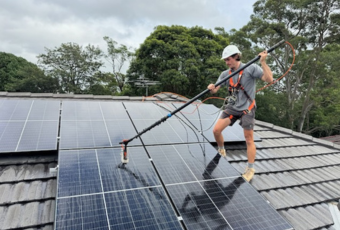
Reliable solar and battery systems designed to reduce energy costs, improve efficiency and support smarter long-term energy use.
Security
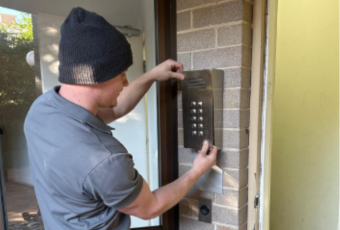
Integrated security solutions, including CCTV, alarms, access control and intercom systems to help protect people, property and assets.
Strata EV Charging FAQs
These FAQs answer common questions about EV charger installation in Sydney strata buildings, including electrical capacity, switchboards, load management, metering and apartment charging requirements
Can I install an EV charger in my apartment car space?
Potentially, yes. The proposed electrical supply, cable route, car-space location and any common-property requirements need to be assessed before installation.
Do I need strata approval to install an EV charger?
Often, yes, particularly where the charger installation affects common property or shared electrical infrastructure. The electrical scope should be clearly defined before approval is sought.
Can my strata building switchboard handle EV chargers?
Possibly. An electrician should assess the existing switchboard, current building demand, spare electrical capacity and the number of chargers the building may eventually need to support.
What electrical upgrades are needed for strata EV charging?
Depending on the building, upgrades can include additional circuits, new EV distribution boards, switchboard work, cable infrastructure, metering and EV charger load management.
Does a strata building need load management for EV chargers?
Not every building does, but load management can be particularly valuable where several EV chargers need to share limited building capacity.
Can an apartment EV charger connect to my electricity meter?
Sometimes. It depends on the location of the meter, the car space, the cable route and the electrical capacity available.
Who pays for an EV charger in a strata building?
An individual apartment owner will commonly pay for their own charger and installation, while the owners corporation may separately decide how shared EV infrastructure is funded and maintained.
How much does strata EV charging cost in Sydney?
Costs vary according to cable distance, switchboard capacity, number of chargers, metering, load management and whether the building requires shared EV charging infrastructure.
Does a strata building need three-phase power for EV charging?
Not automatically. The important factors are available electrical capacity, the number of EV chargers and how charging loads will be managed.
What is the best way to make an apartment building EV ready?
Start with a whole-building electrical assessment. From there, the building can determine whether individual chargers, shared EV infrastructure, load management or a staged EV charging backbone provides the most practical long-term solution.



MPV Solar is committed to providing industry-leading solar energy solutions across Sydney, backed by a proven track record of successfully completing over 5,000 projects. As a family-owned business, we prioritise personalised service and truly value our clients, ensuring that each system is tailored to meet your unique energy needs.
Copyright 2026. All Rights Reserved.
Created by Codex Digital and Yakka Consulting
Get in Touch
MPV Solar
Unit 3, 43-51 College St,
Gladesville NSW 2111
info@mpvgroup.com.au
(02) 9817 0333
Monday – Friday
8:30 – 5:00pm

