


 Call Us

EV Sales Hit 21.7%: Is Your Sydney Home Ready for an EV?
Australia’s transition to electric vehicles has shifted up another gear.
Battery electric vehicles accounted for 21.7% of Australia’s new vehicle market in July 2026. It was also the second consecutive month in which battery electric vehicles represented more than one-fifth of Australian new-car sales.
Put simply, more than 1 in 5 new vehicles sold in July was fully electric.
For Sydney homeowners considering an EV, that raises an increasingly important question:
Your EV is ready. Is your home?
Buying the electric vehicle is only one part of the transition. Before installing a home EV charger, it is worth understanding whether your home’s existing electrical infrastructure can comfortably support it.
Your switchboard, available electrical capacity, single-phase or three-phase supply, charger location, solar system and future energy needs can all influence the right EV charging setup. That’s why EV charger installation should start with the home, not simply the charger.
What Should Be Checked Before Installing an EV Charger?
A professional EV charger installation in Sydney should consider more than where the charging unit will be mounted. Depending on your property, an electrician may need to assess:
- your existing switchboard
- available electrical capacity
- existing electrical loads
- single-phase or three-phase supply
- the proposed EV charger size
- charger location and cable route
- dedicated circuit requirements
- load management options
- existing solar panels
- home battery storage
- future electrical upgrades.
The NSW Government recommends having a licensed electrician assess both your current and planned future electrical requirements when determining whether your switchboard and electrical system are suitable for upgrades such as an EV charger.
Learn more about switchboard upgrades
At MPV Group, we look at the bigger picture.
Rather than simply asking “Which charger do you want?”, the better question is: “What EV charging setup is right for your home?”
Can My House Handle an EV Charger?
In many cases, yes. But every property is different. A newer Sydney home with a modern switchboard and sufficient capacity may be relatively straightforward. An older property, or a home that already has several significant electrical loads, may need a closer assessment.
Adding an EV charger means adding another potentially substantial electrical load to the property. Your electrician needs to consider how your EV charger will operate alongside appliances such as:
- air conditioning
- electric hot water
- induction cooking
- pool equipment
- home batteries
- solar equipment
- other high-demand appliances.
The aim isn’t to automatically upgrade everything. It’s to determine what your home actually needs.
Do I Need a Switchboard Upgrade for an EV Charger?
Not every EV charger installation requires a switchboard upgrade. However, some homes may need one.
The NSW Government specifically identifies the installation of major electrical appliances such as an EV charger as one situation where a switchboard upgrade may be required. Older homes with original switchboards or lower-capacity electrical infrastructure can also be candidates for upgrading.
A switchboard assessment can identify:
- available capacity
- available circuit space
- existing protection equipment
- the condition and age of the switchboard
- whether additional electrical work is required.
This is one reason getting an extremely cheap EV charger installation quote without first understanding what’s included can be misleading. The charger itself is only one component of the installation.
Do I Need Three-Phase Power for an EV Charger?
No. You don’t automatically need three-phase power to charge an EV at home. Many Sydney households can use a 7kW single-phase EV charger, which can provide significantly faster charging than a standard power point.
Three-phase power can support higher charging capacities, such as an 11kW or 22kW charger, where the vehicle and electrical installation support those charging rates.
But bigger isn’t automatically better. Before upgrading to three-phase power solely for EV charging, consider:
- the maximum AC charging rate of your EV
- how far you normally drive each day
- how long the vehicle is parked at home
- your existing electricity supply
- other household electrical loads
- whether you expect to own multiple EVs in future.
Some vehicles cannot utilise the full capacity of a 22kW home charger, making it important to match the charger to both the vehicle and the home.
7kW vs 22kW EV Charger: Which Is Better?
For many homes, a 7kW EV charger can provide plenty of overnight charging. A higher-capacity three-phase charger may make sense in other circumstances, particularly where faster AC charging, multiple EVs or future requirements are part of the plan. The important thing is not choosing a charger based purely on the biggest kW number.
Consider: Your car. Your driving. Your home. Your electrical supply.
An appropriately sized 7kW installation can make much more sense than paying for electrical upgrades to achieve a charging rate you don’t actually need or your vehicle cannot use.
Can I Charge My EV Using Solar Panels?
Yes and this is where planning your EV charger and solar system together becomes particularly valuable. If your EV is regularly at home during daylight hours, rooftop solar may be able to contribute to charging your vehicle. Instead of exporting excess solar electricity to the grid, some households may prefer to direct more of that energy into their vehicle.
The NSW Government also highlights home charging alongside rooftop solar as a way EV owners can use their own solar-generated electricity. Your ideal setup will depend on factors including:
- the size of your solar system
- how much excess solar you currently export
- when your EV is normally at home
- how far you drive
- your electricity tariff
- whether your charger supports smart or solar charging
- whether you have home battery storage.
Do I Need More Solar After Buying an EV?
Maybe, but don’t automatically add more panels just because you’ve bought an electric car. First, look at how much electricity your existing solar system generates and where that energy currently goes. If your home regularly exports significant amounts of excess solar electricity during the day, you may already have an opportunity to use more of that generation for EV charging.
If your household electricity consumption is increasing substantially because of an EV, battery, electric hot water, induction cooking or other electrification upgrades, expanding your solar system may also make sense. MPV Group can look at your solar and EV charging requirements together, rather than treating them as completely separate systems.
What About a Home Battery and EV Charger?
A battery can be another piece of the home energy puzzle, but it isn’t essential simply because you own an EV. Solar panels, home batteries and EV chargers perform different jobs. Solar generates electricity. A home battery stores electricity for later use. An EV charger controls the supply of electricity to your vehicle. The right combination depends on when your household generates and consumes electricity.
For some homeowners, increasing rooftop solar may provide the best next step. For others, adding or expanding battery storage could make sense. For others again, installing the EV charger and using off-peak grid electricity may be perfectly suitable. That’s why designing the overall home energy system matters.
Should I Install My EV Charger Before My Car Arrives?
It can be a very good idea.Waiting until the week your new EV is delivered can leave little time to investigate whether additional electrical work is required. Getting your home assessed earlier means you can understand:
- which EV charger suits your vehicle
- where the charger should be installed
- whether your switchboard is suitable
- whether your existing power supply is sufficient
- whether single-phase or three-phase makes sense
- whether solar should be integrated into your charging strategy
- what the complete installation is likely to involve.
Your new EV can then arrive with your home charging setup ready to go.
EV Charger Installation Is About More Than Mounting a Charger on the Wall
As EV ownership grows, we’re likely to see more advertised EV charger supply and installation packages. Price matters but it’s important to compare what’s actually included. Before choosing an EV charger installer, ask:
- Is the charger included?
- Is a dedicated circuit included?
- How much cable is included?
- Has my switchboard been assessed?
- Has my available electrical capacity been checked?
- Does the price include required protection equipment?
- What happens if additional electrical work is needed?
- Is commissioning included?
- Is the charger appropriate for my specific EV?
- Has solar integration been considered?
A good EV installation shouldn’t begin and end with mounting a box on the garage wall.
The Opportunity to Make Your Whole Home EV-Ready
The rapid rise in electric vehicle sales is part of a much larger change happening inside Australian homes. Many homeowners are progressively adding:
Solar + Battery + EV Charger + Electric Hot Water + Induction + Air Conditioning
Each technology can increase or change the way electricity moves through the property.
Rather than adding each item independently, considering your home’s future electrical requirements can help you plan more effectively. If you’re already considering an EV, it can be a useful time to assess whether your switchboard, electrical supply and solar system are ready for where your household is heading next.
NSW Support for Home EV Chargers and Electrical Upgrades
Eligible NSW homeowners and landlords may also be able to access the NSW Government Home Energy Saver program. Current NSW Government information states that eligible households can access a zero-interest loan of up to $15,000 for eligible energy-saving technologies, which can include home EV chargers and switchboard upgrades. Eligibility requirements apply.
It’s worth checking the latest NSW Government eligibility and program requirements before proceeding.
Planning to Buy an EV? Start With Your Home.
With battery electric vehicles now representing 21.7% of July 2026 new-car sales, home EV charging is quickly moving from a niche upgrade to part of everyday residential electrical planning.
If an electric vehicle is on your driveway, or on its way, MPV Group can help assess the complete picture.
From EV charger installation and switchboard upgrades to electrical capacity, three-phase power and solar, we’ll help determine what your property needs to become EV-ready.
Your EV is ready. Is your home?
Talk to MPV Group about an EV home assessment and charger installation in Sydney.
1 Company – 3 Integrated Services
Complete Electrical, Solar and Security Solutions Across Sydney

Electrical
Licensed electrical services across Sydney, including upgrades, fault finding, switchboards, lighting, maintenance and complete electrical solutions.
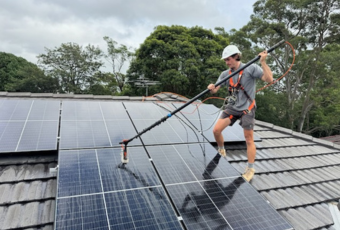
Solar
Reliable solar and battery systems designed to reduce energy costs, improve efficiency and support smarter long-term energy use.
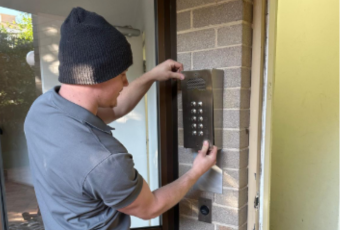
Security
Integrated security solutions, including CCTV, alarms, access control and intercom systems to help protect people, property and assets.
FAQs About Home EV Charging
Considering an EV charger for your home? These are some of the most common questions Sydney homeowners ask about charging speed, switchboards, electrical supply, solar and getting their home EV-ready.
Can I install an EV charger at home?
Most homeowners with suitable off-street parking can install a home EV charger, subject to the property’s electrical infrastructure and installation requirements. A licensed electrician should assess the property and recommend an appropriate setup.
Do I need a switchboard upgrade for an EV charger?
Not always. Your existing switchboard should be assessed for its condition, available capacity, circuit space and protection equipment. Some homes, particularly older properties, may require an upgrade before an EV charger can be installed.
Do I need three-phase power for an EV charger?
No. Many households can install a 7kW charger using single-phase power. Three-phase power can support higher-capacity chargers, but whether it is worthwhile depends on your vehicle and charging requirements.
Is a 7kW EV charger enough for home charging?
For many drivers, yes. A 7kW home EV charger can provide substantial charging while a vehicle is parked overnight. The right charging capacity depends on battery size, daily kilometres travelled and how long the vehicle is normally parked at home.
Can I install a 22kW EV charger at home?
Potentially, if your property has suitable three-phase power and sufficient electrical capacity. Your vehicle must also support the relevant AC charging rate to benefit from the higher charger capacity.
How much does EV charger installation cost in Sydney?
EV charger installation costs vary depending on the charger, cable distance, switchboard condition, electrical capacity, charger location and whether additional electrical work is required. A site assessment provides a much more useful indication than an advertised installation price alone.
Can I charge an EV with solar?
Yes. Where the vehicle is at home while the solar system is generating electricity, solar can contribute to EV charging. The effectiveness of solar EV charging depends on system size, excess generation, vehicle usage and charger capabilities.
Should I get more solar panels when I buy an EV?
Not necessarily. Review your existing solar generation, exports and household consumption first. If an EV significantly increases your electricity demand, additional solar may become worthwhile.
Can I install an EV charger before buying an EV?
Yes. In fact, planning before delivery can give you time to assess your switchboard, electrical capacity, charger location and any upgrades required.
Which home EV charger should I buy?
The right charger depends on the EV, your home’s electrical supply, desired charging speed, solar setup, budget and potential future requirements. Choosing the charger after assessing these factors can prevent unnecessary upgrades or buying more charging capacity than you can use.
Does an EV charger need a dedicated electrical circuit?
Home wall chargers will generally require an appropriately designed dedicated circuit and electrical protection installed by a licensed electrician. The exact requirements depend on the charger and installation.
Can an older Sydney home have an EV charger installed?
Often, yes. Older properties may simply require additional assessment of their switchboard, wiring, available capacity and electricity supply before an appropriate EV charging solution can be recommended.
Can MPV Group install my EV charger and upgrade my switchboard?
Yes. MPV Group can assess the broader electrical requirements associated with EV charging, including the charger installation, switchboard and power requirements, as well as related solar considerations.
Should I upgrade to three-phase power before buying an EV?
Not automatically. Three-phase can provide additional electrical capacity and enable higher charging rates, but many EV owners can comfortably charge using single-phase power. An assessment can determine whether upgrading provides a practical benefit for your household.
What’s the first thing I should do after ordering an EV?
Arrange an assessment of your proposed home charging setup. This gives you time to determine the appropriate charger, assess the switchboard and electrical supply and complete any required work before the vehicle arrives.
Blog
Related articles
Catch up on the latest MPV Group electrical, solar and security news and insights.



MPV Solar is committed to providing industry-leading solar energy solutions across Sydney, backed by a proven track record of successfully completing over 5,000 projects. As a family-owned business, we prioritise personalised service and truly value our clients, ensuring that each system is tailored to meet your unique energy needs.
Copyright 2026. All Rights Reserved.
Created by Codex Digital and Yakka Consulting
Get in Touch
MPV Solar
Unit 3, 43-51 College St,
Gladesville NSW 2111
info@mpvgroup.com.au
(02) 9817 0333
Monday – Friday
8:30 – 5:00pm